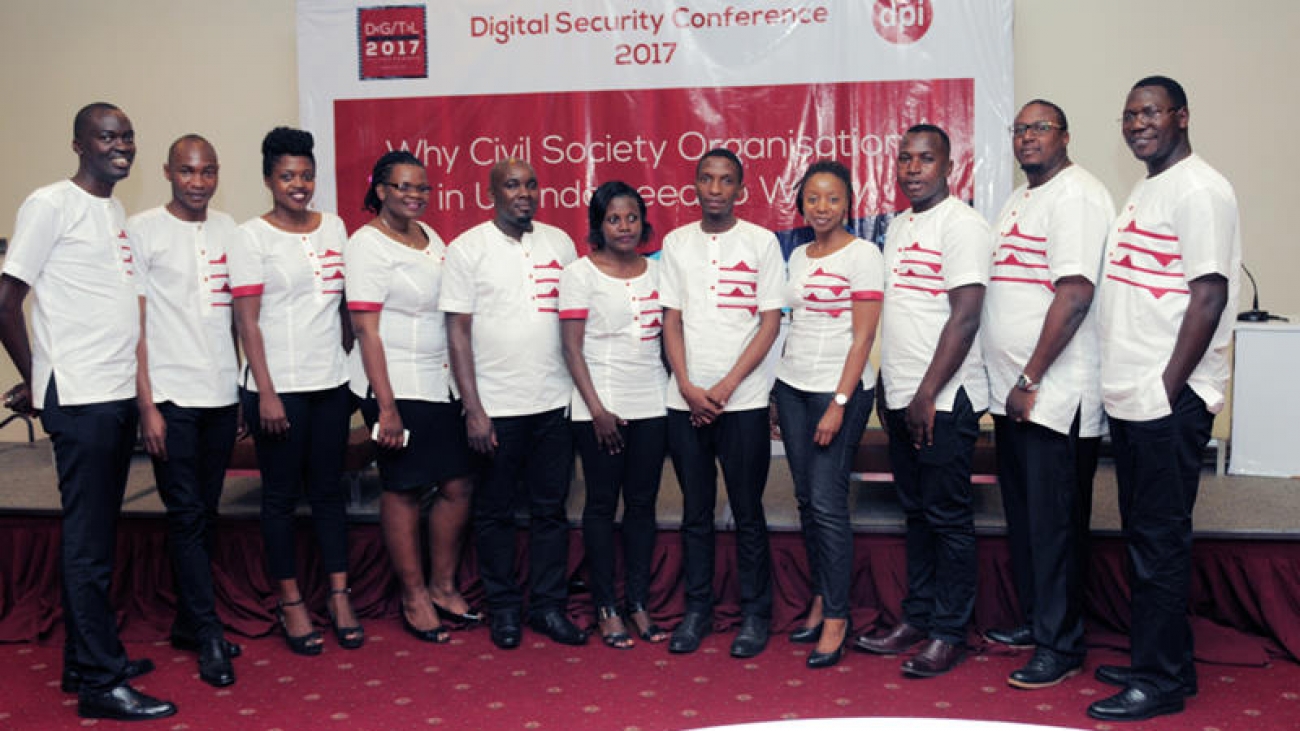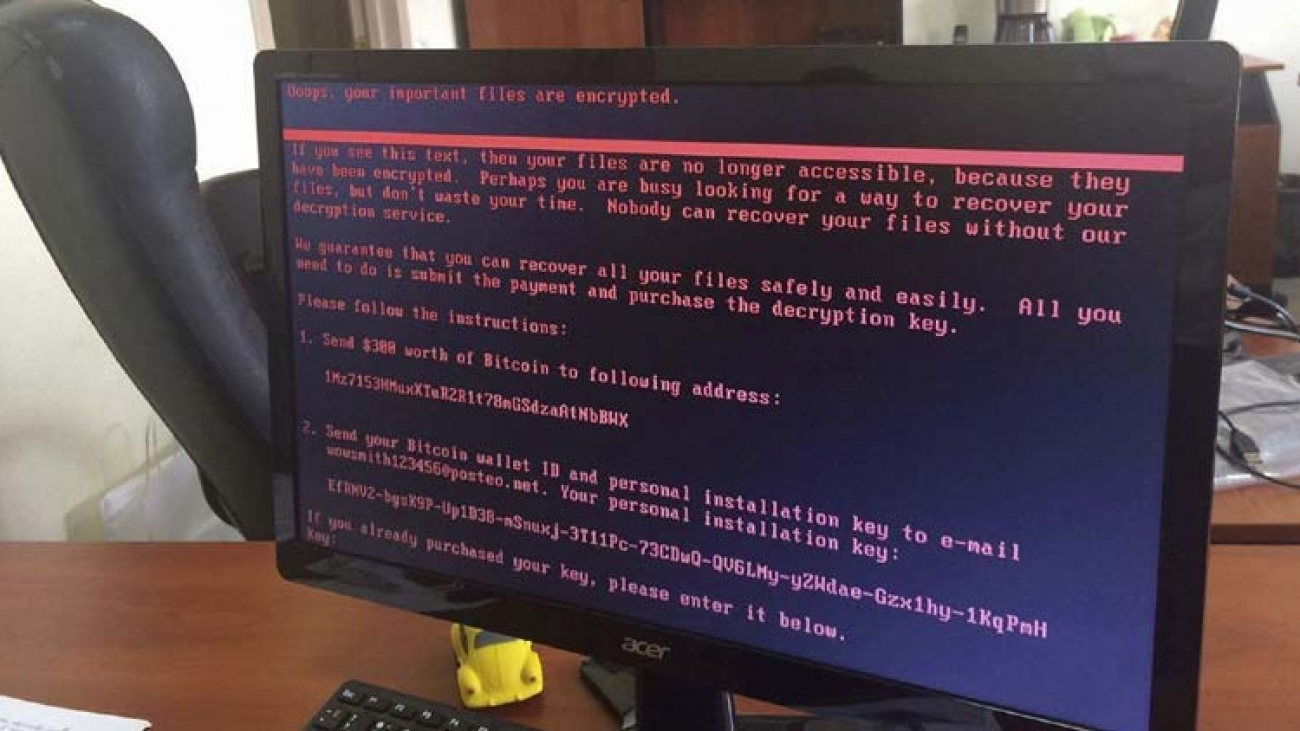
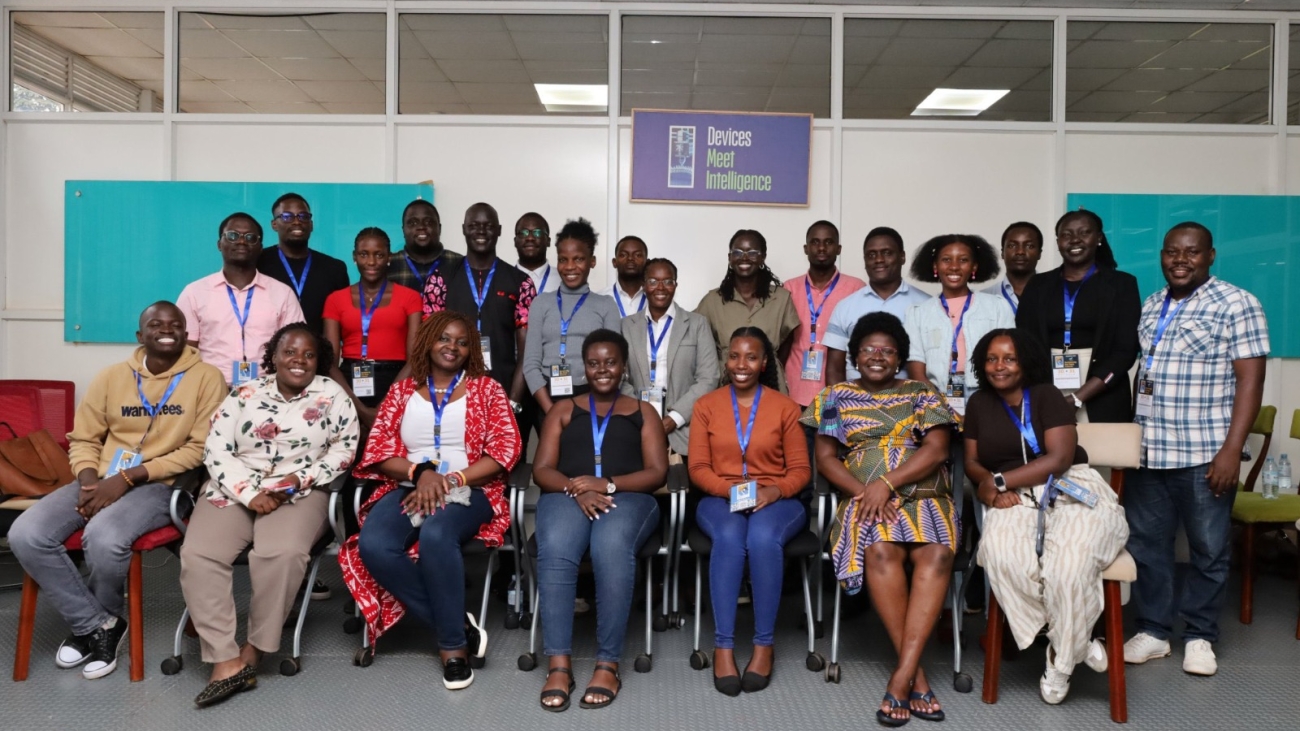
In October 2025, our team had the honor of participating in DataFest Africa 2025, organised by Pollicy, one of the continent’s leading convenings on data, technology, and innovation. As part of this vibrant gathering of technologists, researchers, civil society actors, policymakers, and creatives, we hosted a Digital Security Clinic, offering on-site support, guidance, and practical tools to participants navigating today’s fast-evolving digital landscape.
Why the Clinic Mattered
As digital spaces continue to expand across Africa, so do the risks that come with them including data misuse, online harassment, cyberstalking, image-based abuse, misinformation, account takeovers, and digital surveillance. For many activists, journalists, developers, and young innovators attending DataFest, these threats are not abstract; they are lived realities that affect their work, mental well-being, and personal safety.
Our clinic was designed as a safe, confidential, and responsive support space where participants could:
- Seek one-on-one guidance on digital security and privacy
- Report or discuss technology-facilitated gender-based violence
- Get support on securing devices, accounts, and data
- Receive mental health referrals and psychosocial first support after online abuse
- Learn practical safety strategies for their work and activism
What We Offered on the Ground
Throughout the festival, our team provided:
- Personalized digital risk assessments
- Guidance on strong passwords, two-factor authentication, and safe browsing
- Support on responding to online harassment, doxxing, and impersonation
- Advice on safe content creation and data protection
- Offered updated and genuine software like antivirus, MS Office, MS Word
- Referral to trusted psychosocial and legal response partners where needed
Participants included women in tech, youth innovators, journalists, human rights defenders, researchers, and community organizers, many of whom were encountering structured digital safety support for the first time.
Key Reflections from the Clinic
Several key themes emerged from our engagement:
- Online harm is deeply connected to offline safety, livelihoods, and mental health.
- Many participants had experienced harassment, impersonation, or extortion but had never received professional support.
- There is a strong demand for localized, continuous digital safety clinics, not just one-off trainings.
- Women and young people remain disproportionately impacted by online violence and data misuse.
Building Resilient Digital Communities
Our presence at DataFest Africa 2025 reaffirmed the urgent need to move beyond awareness-raising alone. Safety must be practical, accessible, survivor-centered, and embedded into innovation spaces. Digital rights, data protection, and online wellbeing are not optional add-ons; they are essential foundations for meaningful participation in the digital economy.
By hosting this clinic, we demonstrated that large tech and data convenings can and should integrate real-time protection and support mechanisms alongside conversations on innovation, AI, governance, and development.
Masterclass: Shaping Youth Futures Through Digital Ownership
In addition to the digital safety clinic, we hosted a featured masterclass titled “Shaping Youth Futures Through Digital Ownership” at the National ICT Innovation Hub, Nakawa. The session brought together young people, innovators, and ecosystem actors to explore how digital ownership can unlock opportunity, protection, and economic independence for African youth. Participants engaged deeply with what digital ownership truly means in today’s platform-dominated economy, emphasizing the importance of owning data, digital skills, content, and platforms as a foundation for sustainable digital participation.
The masterclass examined how young people can transition from being passive digital consumers to empowered digital creators and owners, while critically reflecting on the risks of digital exploitation, platform dependence, and unsafe monetization. It further highlighted the role of policy, infrastructure, and community networks in protecting young digital entrepreneurs. The session was co-led by Noelyn Nassuuna, Raymond Amumpaire, and Owilla Abiro Mercy, who collectively challenged participants to think beyond access toward control, agency, safety, and sustainability in the digital economy.
Looking Ahead
Following DataFest Africa 2025, we are strengthening our:
- Mobile digital safety clinics
- Survivor-centered referral pathways
- Youth and women-focused digital resilience programming
- Partnerships with tech platforms, mental health professionals, and legal responders
We remain committed to ensuring that no one has to choose between visibility and safety, innovation and wellbeing, or participation and protection in digital spaces.