Green and White Minimalist Business Webinar Instagram Post (2)

Mental Health in the Digital Age: Why Online Safety is a Mental Wellness Issue in East Africa

As Mental Health Awareness Month continues to spark important conversations globally, one reality is becoming increasingly impossible to ignore: our digital spaces are deeply affecting our mental well-being.

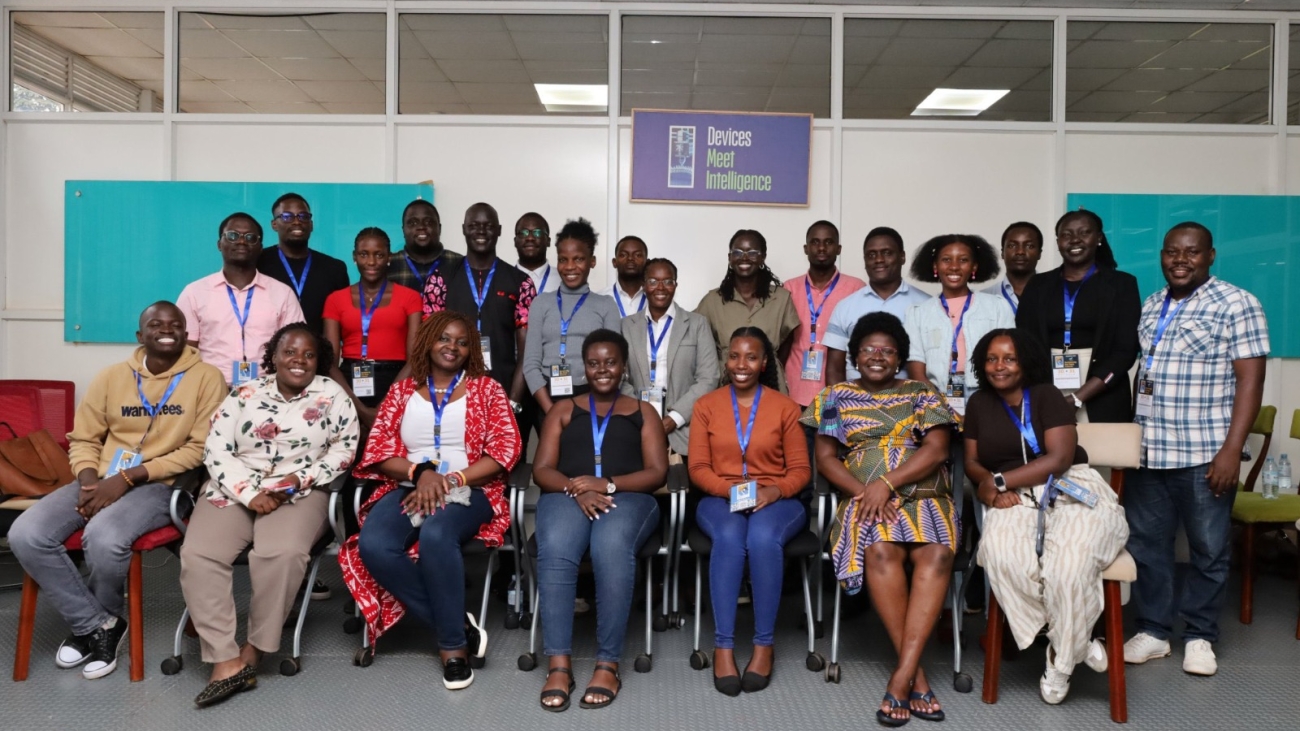
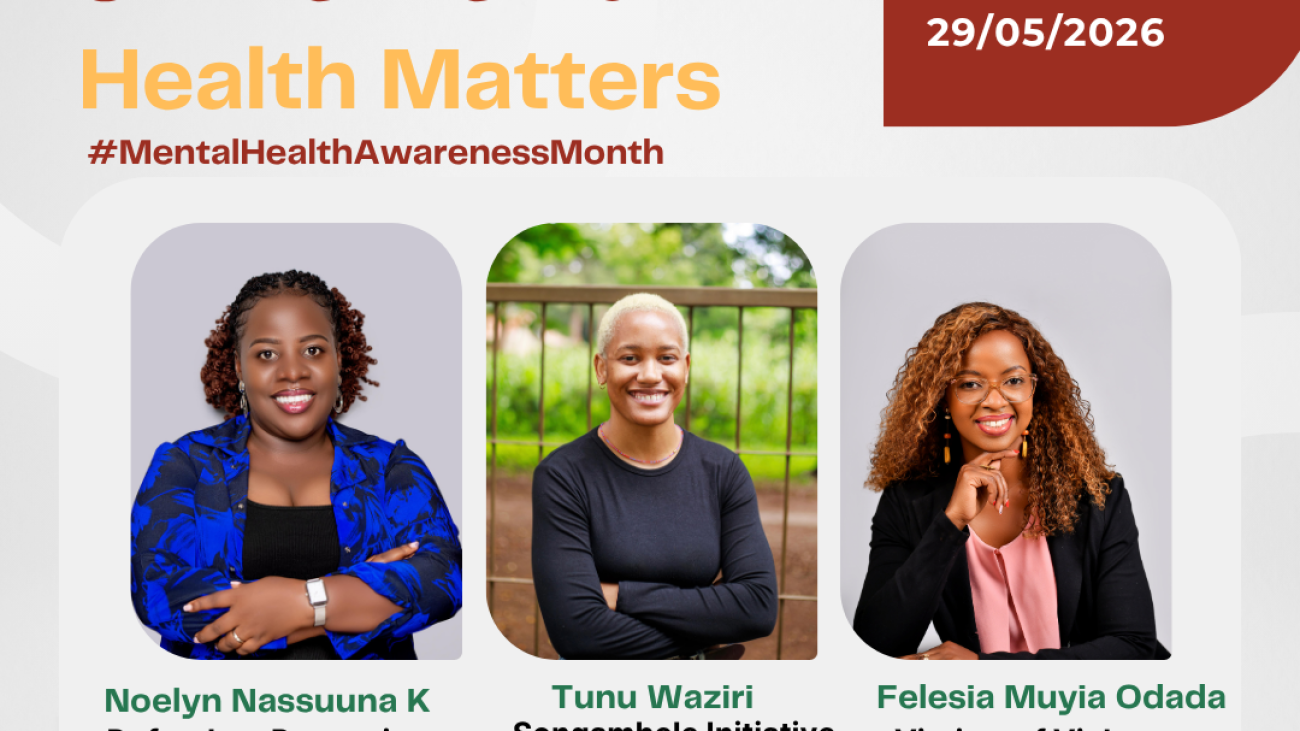
Recently, the Defenders Protection Initiative in partnership with Victims of Violence Support Africa hosted an online session titled Online Mental Health Matters, bringing together activists, journalists, feminists, researchers, human rights defenders, and digital safety experts from Uganda, Kenya, and Tanzania, to discuss the growing impact of technology-facilitated violence on mental health across East Africa.

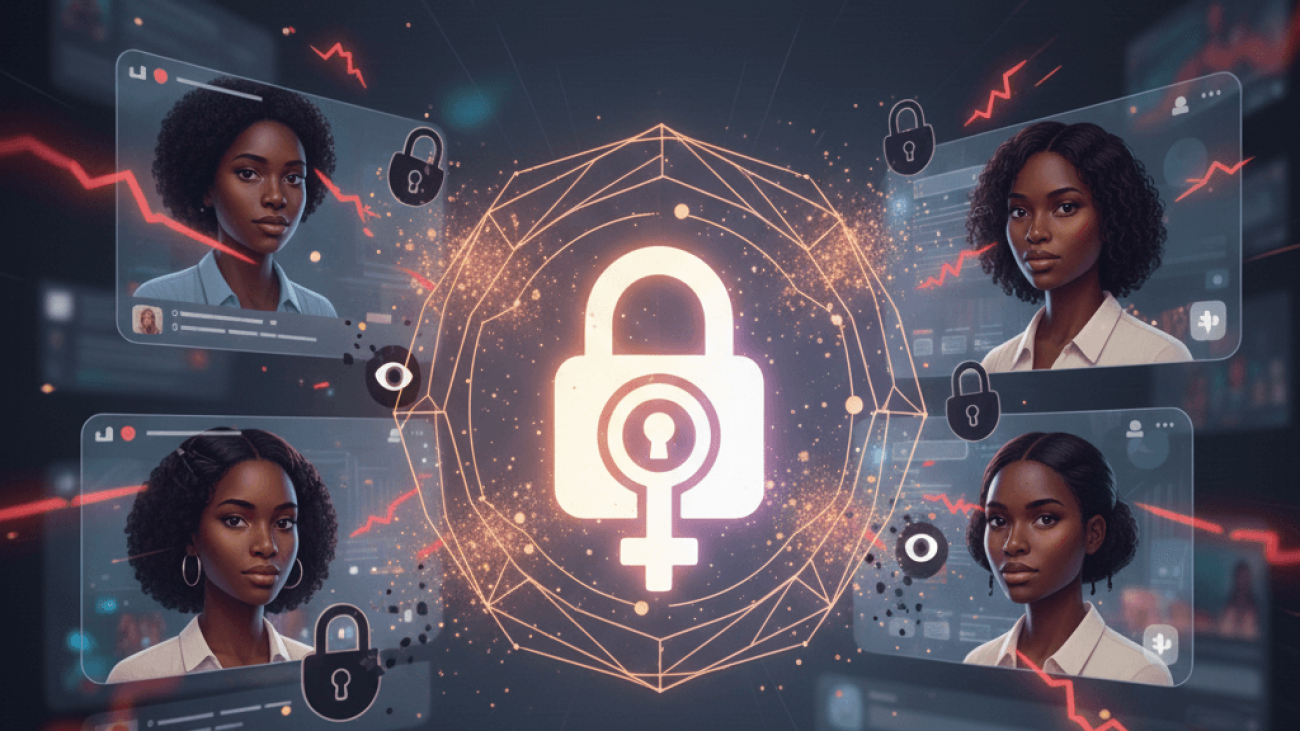
The conversation revealed a truth: online violence is no longer “just digital.” It is emotional, psychological, social, economic, and in many cases, physical.

The Rise of Technology-Facilitated Gender-Based Violence

Digital platforms have become powerful tools for expression, activism, political participation, and community building. However, they have also evolved into spaces where harassment, cyberbullying, misinformation, doxing, deepfakes, and coordinated attacks thrive.

During the webinar, Felicia Muia Odada from Kenya shared research showing that more than 50% of female political aspirants experienced online harassment during elections, while nearly 90% of students reported witnessing some form of online violence.

Women leaders, journalists, activists, and marginalized communities remain disproportionately targeted. Online attacks often focus on appearance, sexuality, personal data, and reputation — weaponizing digital tools to silence voices and create fear.

As artificial intelligence tools continue to grow, the threat landscape is also expanding. AI-generated manipulated images, fake videos, and disinformation campaigns are increasing the risks faced by women and public figures online.

Digital Burnout is Real

The webinar also explored digital burnout among activists and advocates who work continuously online.

Tunu Wazi from Tanzania highlighted how constant exposure to trauma, always-on work cultures, multi-platform engagement, and the emotional burden of supporting survivors contribute to exhaustion, anxiety, and emotional fatigue.

Many advocates today are expected to remain visible, responsive, informed, and active online at all times. Yet behind the screens are individuals silently carrying stress, fear, insomnia, emotional overwhelm, and burnout.

Early warning signs discussed during the session included:

  • Feeling exhausted before going online
  • Difficulty concentrating
  • Sleep disruption
  • Emotional numbness
  • Irritability and anxiety
  • Fear of digital engagement

The discussion emphasized that digital security and mental wellness can no longer be treated as separate conversations.

During the webinar, Noelyn Nassuuna from Defenders Protection Initiative, presented on the realities of technology-facilitated gender-based violence (TFGBV) in Uganda and its growing impact on mental health, particularly among women politicians, journalists, activists, and marginalized communities.

Digital Spaces Are No Longer Safe for Many Ugandans

Platforms such as Facebook, TikTok, X (formerly Twitter), and WhatsApp have created opportunities for visibility and civic participation. Yet for many women and human rights defenders, online participation comes with serious risks.

Research and experiences shared during the session revealed concerning patterns of online abuse during Uganda’s election periods and public discourse. Women journalists and politicians continue to face targeted attacks that focus heavily on their appearance, sexuality, morality, and personal lives rather than their work or ideas.

The violence is often coordinated, public, and deeply humiliating.

Beyond insults and harassment, digital violence in Uganda now includes:

  • Cyberstalking
  • Doxing and exposure of personal information
  • Non-consensual sharing of images
  • Disinformation campaigns
  • Hate speech
  • Threats of physical violence
  • AI-generated manipulated content and deepfakes

For many survivors, the psychological effects remain long after the online attacks stop.

In many cases, survivors begin limiting their online participation altogether to protect themselves from abuse. This creates what some experts describe as “digital homelessness” — where individuals feel unsafe occupying digital spaces that are increasingly necessary for work, activism, and social connection.

For journalists, feminists, and activists whose work depends on visibility, this creates an impossible dilemma: remain visible and face attacks, or disappear and lose opportunities, income, and influence.

Online Harm Has Offline Consequences

One of the most powerful moments of the session came when a participant, shared that she had been physically attacked three times within one month and was living in fear and emotional distress.

Her story was a reminder that online harassment often escalates into real-world threats and violence.

Participants from rural and grassroots communities also highlighted how many defenders lack access to psychosocial support, digital safety training, legal assistance, and safe reporting systems.

This is especially concerning in communities where awareness around mental health remains limited and online abuse is normalized or dismissed.

Building Safer and Healthier Digital Spaces

The webinar not only focused on the problem, but it also explored practical and collective solutions.

Some of the key recommendations included:

Prioritizing Digital Hygiene

Practicing safer online habits, protecting personal information, using stronger security settings, and preserving evidence when attacks occur.

Creating Survivor-Centered Support Systems

Organizations were encouraged to establish response pathways that place affected individuals at the center of support and recovery.

Normalizing Mental Health Conversations

Participants emphasized the need to openly discuss burnout, trauma, online violence, and emotional well-being within organizations and communities.

Supporting Digital Recovery

Rest and digital detox should not be viewed as weakness. Communities must respect boundaries and support individuals who need breaks from online engagement.

Expanding Regional Training and Support

There were calls for more grassroots and regional engagements across Uganda and East Africa to strengthen awareness on digital safety, mental wellness, and resilience.

Digital Wellness Must Become a Human Rights Priority

As digital spaces continue to shape politics, activism, journalism, relationships, and identity, protecting mental well-being online must become a central part of digital rights work.

Technology-facilitated violence is not only a cybersecurity issue. It is a public health issue, a gender issue, a governance issue, and a human rights issue.

Creating safer online spaces requires collaboration between governments, civil society organizations, tech companies, researchers, mental health practitioners, and communities themselves.

Most importantly, it requires recognizing that behind every screen is a human being deserving of dignity, safety, rest, and care.

The conversation on digital mental wellness is only beginning, but it is one we can no longer afford to postpone.
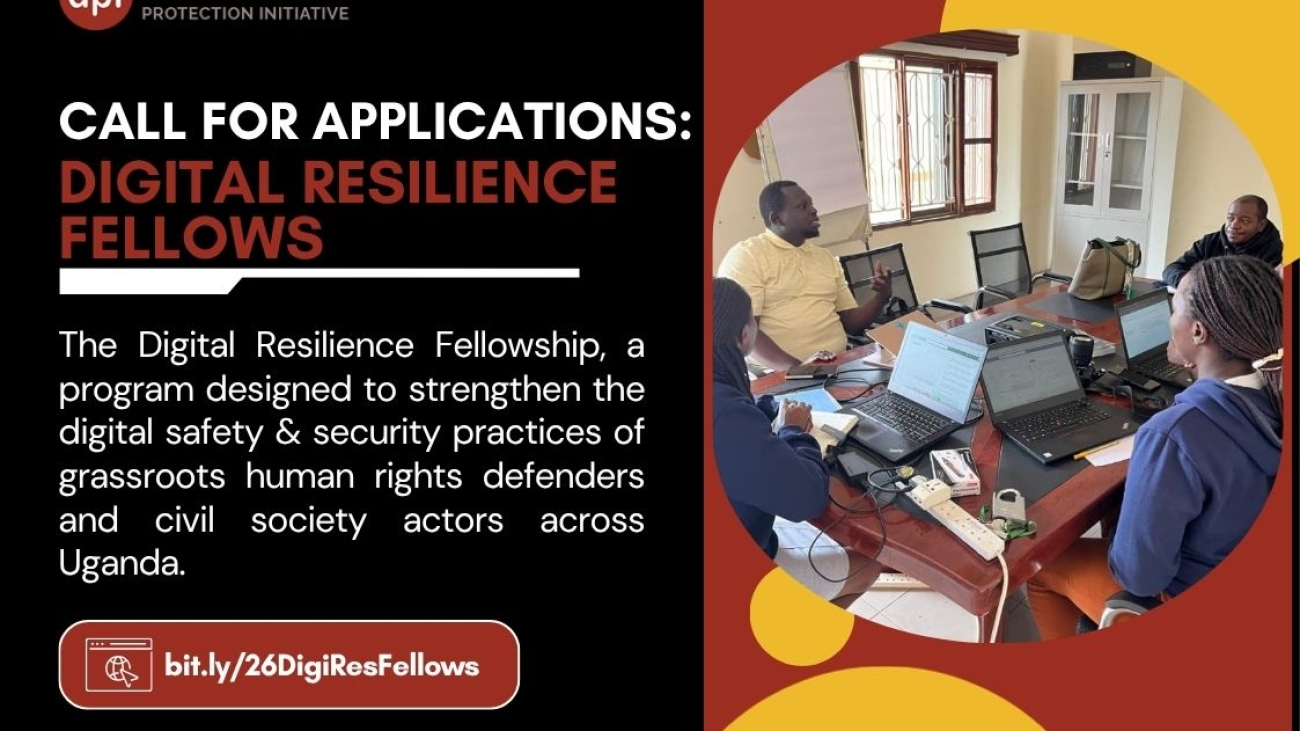
Call for Applications Digital Resilience Fellows

Digital Resilience Fellowship 2026

Defenders Protection Initiative (DPI) is pleased to announce the launch of the Digital Resilience Fellowship 2025–2026, a targeted program designed to strengthen the digital safety and resilience of grassroots human rights defenders and civil society actors across Uganda.

About the Fellowship

As digital threats continue to evolve, many organizations and frontline defenders particularly in underserved regions face increasing risks such as surveillance, account compromise, online harassment, and data loss.

This Fellowship responds to that reality by supporting a small, carefully selected cohort of individuals embedded within organizations, who are positioned not only to strengthen their own digital safety, but also to extend these skills to the teams and communities they work with.

What the Fellowship Offers

Participate in an 8-week structured mentorship

Be paired with a mentor from the Digital Security Alliance (DSA)

Strengthen digital resilience within their organizations

Share practical digital security knowledge within their communities

Receive hands-on support in device security, secure communication, account protection, data backups, and incident response

Who Should Apply

This Fellowship is intended for individuals who are:

  • Actively working within a civil society organization or community-based initiative
  • Engaged in work related to human rights, environmental protection, media, or civic engagement
  • Operating in Northern, Eastern, Western, or Southern Uganda
  • Facing or exposed to digital risks in their work
  • Committed to applying and transferring digital security skills to their organization and community

How to Apply

Interested applicants can submit their application through the link below:

At DPI, we recognize that digital security is no longer optional, it is essential to sustaining civic space and protecting those working at the frontlines. Through this Fellowship, we aim to build a network of digitally resilient actors who can safeguard not only themselves, but also the communities they serve.

dpi-self-assessment-v2_s

Digital Security Self-Assessment Tool for Defenders

Human rights defenders, journalists, activists, land and environmental defenders, and wider the civil society organizations face a growing wave of digital threats from surveillance, hacking, phishing, account takeovers, and data theft. These attacks are designed to silence, expose, and intimidate those doing vital work.

Yet most defenders and organizations have never assessed their digital security posture or know where to begin.

This free Digital Security Self-Assessment Tool we developed is built for anyone on the frontlines whether you are an individual activist, a journalist protecting sources, a land defender in the field, or a civil society organization managing sensitive beneficiary data.

In under 30 minutes, work through 70 indicators across 10 security domains including secure communications, device security, data protection, account security, incident response, and more. You will instantly receive a personalized risk score and a prioritized action plan showing exactly what to fix and in what order.

Free. No account needed. Your responses never leave your browser.

Computer security, privacy, data protection concept with account verification system with login and password, padlock, key and email icon, 3d render illustration isolated on white background

The 2015 Trap: Why Your Passwords are Failing You (and How to Fix Them Before It’s Too Late)

Think back to 2015. You likely had a different phone, a different hairstyle, and maybe even a different job. But if you’re like 60% of people today, you are likely still using the exact same password strategy you used a decade ago.

At Defenders Protection Initiative, we’ve seen how the digital landscape in Uganda has shifted. From the implementation of the Data Protection and Privacy Act to the rise in sophisticated phishing targeting Human Rights Defenders, the stakes have never been higher.

The uncomfortable truth? While we’ve upgraded our gadgets, our “digital front doors” – our passwords – are still using 2015 locks in a 2026 world of high-tech “digital crowbars.

Why “Complexity” is a Myth

For years, we were told to use things like P@$$w0rd123!. We thought we were being clever. We weren’t.

Modern hackers aren’t guessing your password; they use Graphics Processing Units (GPUs) that can test billions of combinations per second. To a computer, “P@$$w0rd” is just as easy to crack as “password.” The real danger today isn’t just a lack of symbols; it’s reused habits. If you use the same password for your work email as you do for your Netflix or Jumia account, you aren’t just at risk—you are an open door.

The New Rules of the Game

For Civil Society Organizations and HRDs in Uganda, a compromised account isn’t just an inconvenience; it puts sensitive data, sources, and safety at risk. Here is how to evolve:

1. Length is King (The Passphrase Shift): Forget “passwords.” Start using Passphrases. A string of four or five random words like Boda-Mango-Sky-Table-Blue is nearly impossible for a computer to crack but incredibly easy for you to remember.

2. Stop Being Your Own Vault: You shouldn’t know your passwords. Use a Password Manager. It generates unique, unbreakable codes for every site and stores them behind one master key.

3. The “Second Lock” (MFA): Multi-Factor Authentication (MFA) is your best friend. Even if a hacker steals your password, they can’t get in without the code sent to your phone or app. Think of it as a deadbolt on your digital door.

Taking Action: Beyond the Screen

At DPI, we believe that digital security complements physical security. Protecting your data is protecting your mission.

  • Audit Your Team: When was the last time your organization updated its digital hygiene policy?
  • Get Trained: DPI offers Digital Security Clinics specifically designed for Ugandan CSOs to navigate these threats.

Don’t let 2015 habits jeopardize your 2026 impact. The hackers have upgraded, it’s time you did too.

Need a hand securing your organization?

Check out our [Mini Digital Security Handbook] or contact us for a consultation. Let’s keep the defense strong

ChatGPT Image Feb 13, 2026, 09_12_22 AM

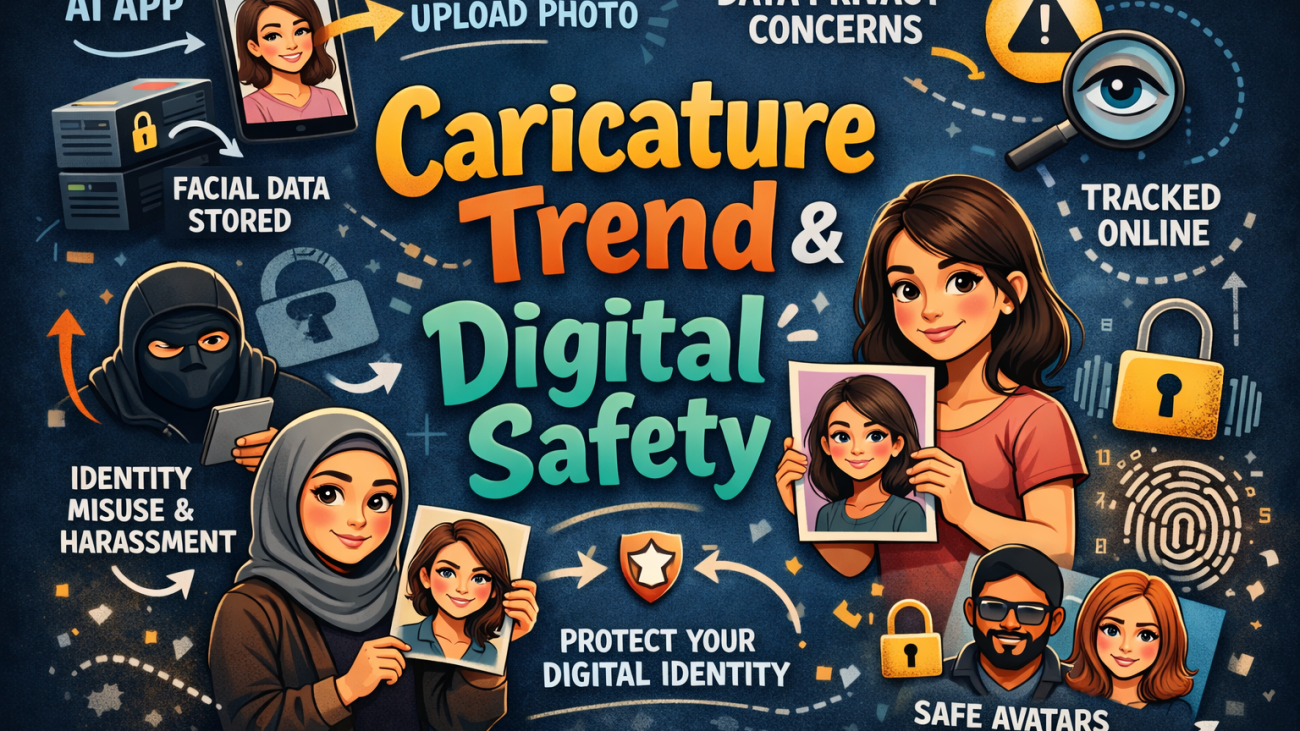
The Caricature Trend and Its Impact on Digital Safety

By Noelyn Nassuuna

Across social media platforms, caricature portraits and AI-generated avatars have quickly become a popular way for people to express themselves online. From activists and professionals to young girls exploring identity in digital spaces, many users are embracing these stylized images as profile photos or storytelling tools. While the trend looks creative and empowering on the surface, it also raises important questions about digital safety, privacy, and online protection.

A New Layer of Digital Identity

Caricatures allow individuals to present a version of themselves that feels artistic and less exposed than a real photograph. For many women and young users, especially those navigating online harassment or public visibility, avatars can feel safer. They create a sense of distance between personal identity and public presence while still allowing creativity and confidence to shine.

However, digital safety experts caution that caricatures do not always guarantee anonymity. Even stylized images may reflect recognizable features such as hairstyles, skin tone, or cultural symbols. When combined with usernames, captions, or location tags, it becomes easier for someone to connect the avatar back to a real person. This can create a false sense of privacy, where users share more information than they normally would.

The Hidden Risk of Facial Data

Many caricature tools require users to upload several photos to generate their artwork. These images may be processed by artificial intelligence systems, and sometimes stored on external servers. If the platform’s privacy policies are unclear, users may unknowingly give away biometric information such as facial structure or expressions.

For digital rights advocates, this raises concerns about data ownership and consent. Young people and first-time users may not fully understand how their images are used beyond creating a cartoon portrait. Over time, repeated uploads to different apps can expand someone’s digital footprint and increase exposure to data collection practices.

Identity Misuse and Online Harassment

Another growing concern is the potential misuse of caricatures. Screenshots or downloaded avatars can be edited or reposted without permission, which may lead to impersonation or misleading content. In online spaces where women, journalists, or activists already face targeted harassment, even a stylized image can become a tool for unwanted attention.

Digital safety practitioners emphasize the importance of maintaining control over how images are shared. Simple actions such as using trusted platforms, adjusting privacy settings, and avoiding oversharing personal details can reduce risks.

A Positive Opportunity for Protection

Despite these challenges, caricatures can also support safer online engagement when used intentionally. Some advocates choose illustrated avatars instead of real photos to lower direct identification risks. Organizations working with young girls or community leaders have also used caricatures to represent participants without exposing their real faces publicly.

The key difference lies in awareness and informed choice. When users understand the digital implications behind the trend, caricatures can become a creative safety tool rather than a vulnerability.

Building a Culture of Digital Awareness

As the caricature trend continues to grow, conversations around digital safety must grow alongside it. Encouraging users to read app permissions, understand data privacy, and think critically about online identity can help create a safer digital environment.

Caricatures are more than just a social media trend, they are part of how people shape identity and community online. By balancing creativity with caution, individuals and organizations can enjoy the benefits of this artistic movement while protecting privacy, dignity, and security in digital spaces.

cyberattackscsos

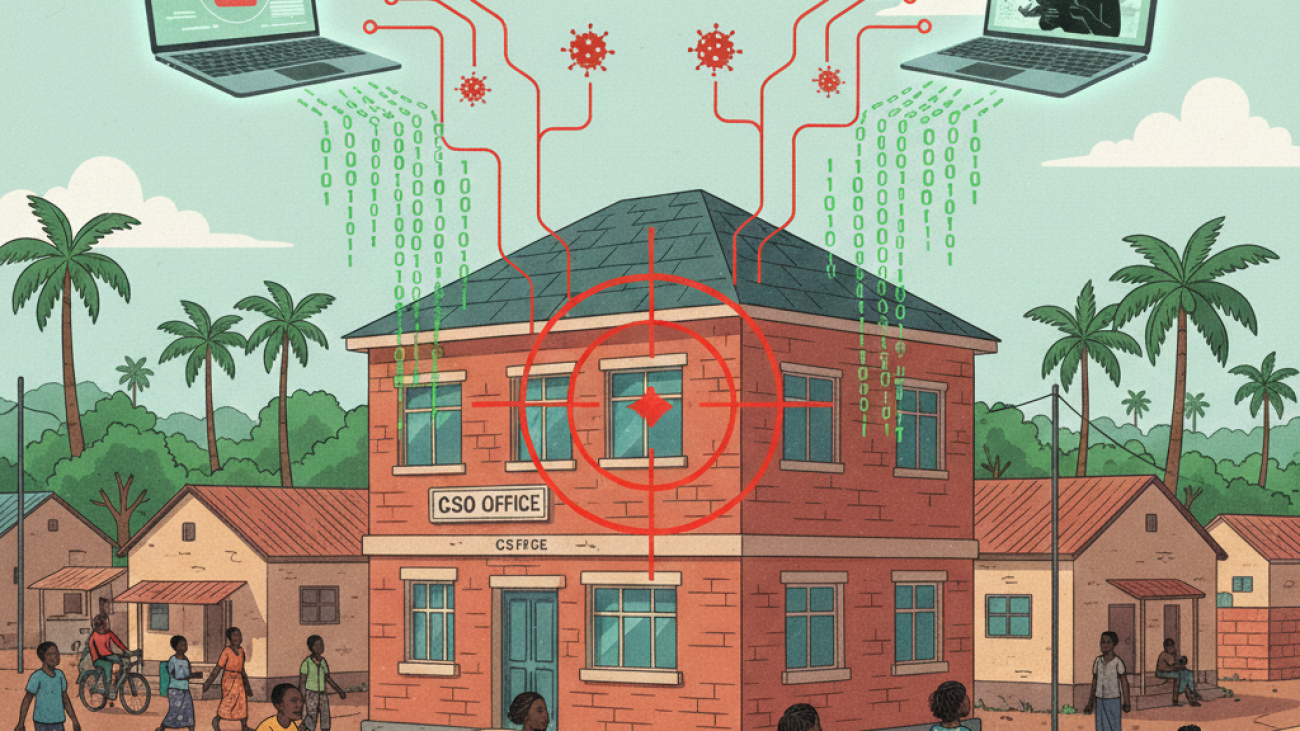
Why Small Civil Society Organisations Are Becoming the New Targets of Cyber Attacks

For a long time, cyber attacks were associated with governments, big corporations, and major institutions. Small civil society organisations were often overlooked. They were seen as too small to matter, too insignificant to target.

That reality has changed.

Across Uganda and the wider region, Defenders Protection Initiative (DPI) is witnessing a steady rise in cyber attacks against small and medium-sized CSOs. These organisations, often operating with limited budgets and small teams, have become attractive targets for a wide range of actors.

Understanding why this is happening is the first step toward defending against it.

Small CSOs hold powerful information

Even the smallest organisation often manages sensitive data:

  • Lists of beneficiaries
  • Testimonies from survivors
  • Reports on abuses
  • Donor records
  • Financial documents
  • Contact details of activists
  • Internal strategies

For adversaries, this information is valuable. It can be used to intimidate individuals, disrupt projects, discredit organisations, or manipulate communities.

An attacker does not need to break into a ministry database if they can access the same information through a poorly protected NGO system.

Limited resources create easy entry points

Most small CSOs operate under serious financial pressure. They prioritise programme delivery over infrastructure. As a result:

  • Old laptops remain in use for years
  • Software updates are delayed
  • Free hosting is used without security support
  • Shared passwords become normal
  • Backups are neglected
  • Technical support is outsourced irregularly

These conditions create weak points that attackers easily exploit.

In many cases, a simple phishing email is enough to compromise an entire organisation.

Digital attacks are cheaper than physical repression

Targeting an organisation physically attracts attention and international scrutiny. Digital attacks are quieter and cheaper.

With minimal resources, an attacker can:

  • Take over email accounts
  • Delete important files
  • Monitor communications
  • Spread false information
  • Block access to systems
  • Leak internal documents

These actions weaken organisations without creating obvious evidence of repression.

For hostile actors, this is efficient and low-risk.

Small organisations are closer to communities

Grassroots CSOs often work directly with affected populations: land defenders, women’s groups, journalists, informal workers, and displaced communities.

This closeness makes them strategically important.

When a small organisation is compromised:

  • Communities lose trust
  • Beneficiaries become afraid
  • Documentation stops
  • Advocacy slows down
  • Networks fragment

By targeting small organisations, attackers disrupt entire ecosystems of activism.

The human factor remains the biggest risk

Most successful attacks do not begin with advanced hacking tools. They begin with human interaction.

We commonly see:

  • Fake donor emails requesting documents
  • Impersonation of partners
  • Messages pretending to be from management
  • “Urgent” compliance notices
  • Fake job offers or training invitations

Staff members, under pressure and working with limited support, respond quickly. One click can open the door to attackers.

This is not carelessness. It is a result of overwork and inadequate training.

Why awareness alone is not enough

Many organisations are now aware of cyber risks. Awareness, however, does not automatically translate into safety.

Without systems, awareness fades.

Effective protection requires:

  • Clear digital security policies
  • Defined access levels
  • Regular training
  • Incident response procedures
  • Secure backups
  • Leadership commitment
  • Budget lines for security

Security must be institutionalised, not improvised.

DPI’s approach to protecting small CSOs

At DPI, our work goes beyond emergency response. We focus on building long-term resilience.

Our approach includes:

  • Digital security assessments
  • Tailored trainings
  • Website and infrastructure hardening
  • Incident response support
  • Staff mentoring
  • Policy development
  • Network-based protection models

We work with organisations to strengthen their systems in ways that fit their realities.

There is no one-size-fits-all solution.

What small CSOs can start doing today

Every organisation, regardless of size, can begin with these steps:

  1. Use strong, unique passwords and a password manager
  2. Enable two-factor authentication on all major accounts
  3. Separate personal and organisational devices
  4. Update systems regularly
  5. Set up automatic backups
  6. Limit access to sensitive files
  7. Document who controls what
  8. Train staff at least once a year
  9. Create a simple incident response plan
  10. Know where to seek help

These actions are practical, affordable, and effective.

Conclusion: Security is now part of sustainability

Sustainability is not only about funding and programmes. It is also about protection.

An organisation that cannot protect its data, staff, and communications cannot sustain its work.

As digital threats continue to evolve, small CSOs must adapt. With the right support, systems, and mindset, they can remain strong, credible, and resilient.

DPI remains committed to walking this journey with civil society organisations, ensuring that defenders are not left alone in the digital battlefield.

WhatsApp Image 2025-12-10 at 13.18.41

Supporting Safer Digital Participation at DataFest Africa 2025: Our Clinic and Masterclass in Action

In October 2025, our team had the honor of participating in DataFest Africa 2025, organised by Pollicy, one of the continent’s leading convenings on data, technology, and innovation. As part of this vibrant gathering of technologists, researchers, civil society actors, policymakers, and creatives, we hosted a Digital Security Clinic, offering on-site support, guidance, and practical tools to participants navigating today’s fast-evolving digital landscape.

Why the Clinic Mattered

As digital spaces continue to expand across Africa, so do the risks that come with them including data misuse, online harassment, cyberstalking, image-based abuse, misinformation, account takeovers, and digital surveillance. For many activists, journalists, developers, and young innovators attending DataFest, these threats are not abstract; they are lived realities that affect their work, mental well-being, and personal safety.

Our clinic was designed as a safe, confidential, and responsive support space where participants could:

  • Seek one-on-one guidance on digital security and privacy
  • Report or discuss technology-facilitated gender-based violence
  • Get support on securing devices, accounts, and data
  • Receive mental health referrals and psychosocial first support after online abuse
  • Learn practical safety strategies for their work and activism

What We Offered on the Ground

Throughout the festival, our team provided:

  • Personalized digital risk assessments
  • Guidance on strong passwords, two-factor authentication, and safe browsing
  • Support on responding to online harassment, doxxing, and impersonation
  • Advice on safe content creation and data protection
  • Offered updated and genuine software like antivirus, MS Office, MS Word
  • Referral to trusted psychosocial and legal response partners where needed

Participants included women in tech, youth innovators, journalists, human rights defenders, researchers, and community organizers, many of whom were encountering structured digital safety support for the first time.

Key Reflections from the Clinic

Several key themes emerged from our engagement:

  • Online harm is deeply connected to offline safety, livelihoods, and mental health.
  • Many participants had experienced harassment, impersonation, or extortion but had never received professional support.
  • There is a strong demand for localized, continuous digital safety clinics, not just one-off trainings.
  • Women and young people remain disproportionately impacted by online violence and data misuse.

Building Resilient Digital Communities

Our presence at DataFest Africa 2025 reaffirmed the urgent need to move beyond awareness-raising alone. Safety must be practical, accessible, survivor-centered, and embedded into innovation spaces. Digital rights, data protection, and online wellbeing are not optional add-ons; they are essential foundations for meaningful participation in the digital economy.

By hosting this clinic, we demonstrated that large tech and data convenings can and should integrate real-time protection and support mechanisms alongside conversations on innovation, AI, governance, and development.

Masterclass: Shaping Youth Futures Through Digital Ownership

In addition to the digital safety clinic, we hosted a featured masterclass titled “Shaping Youth Futures Through Digital Ownership” at the National ICT Innovation Hub, Nakawa. The session brought together young people, innovators, and ecosystem actors to explore how digital ownership can unlock opportunity, protection, and economic independence for African youth. Participants engaged deeply with what digital ownership truly means in today’s platform-dominated economy, emphasizing the importance of owning data, digital skills, content, and platforms as a foundation for sustainable digital participation.

The masterclass examined how young people can transition from being passive digital consumers to empowered digital creators and owners, while critically reflecting on the risks of digital exploitation, platform dependence, and unsafe monetization. It further highlighted the role of policy, infrastructure, and community networks in protecting young digital entrepreneurs. The session was co-led by Noelyn Nassuuna, Raymond Amumpaire, and Owilla Abiro Mercy, who collectively challenged participants to think beyond access toward control, agency, safety, and sustainability in the digital economy.

Looking Ahead

Following DataFest Africa 2025, we are strengthening our:

  • Mobile digital safety clinics
  • Survivor-centered referral pathways
  • Youth and women-focused digital resilience programming
  • Partnerships with tech platforms, mental health professionals, and legal responders

We remain committed to ensuring that no one has to choose between visibility and safety, innovation and wellbeing, or participation and protection in digital spaces.

16 days of activism 2026_DPI

Standing Up to Online Gender-Based Violence: Building Safer Digital Spaces for Women and Girls

During the 16 Days of Activism, we are starkly reminded that violence against women does not begin or end offline. It follows them into their phones, their social media accounts, and every digital space where they speak, work, lead, or express themselves. In Uganda, women journalists, politicians, activists, and even students are facing a rising wave of online attacks that are not simply rude comments but deliberate efforts to silence, intimidate, and erase them from public life.

These attacks take an emotional, psychological, and professional toll. They push many into self-censorship, and some into withdrawal entirely, a process that weakens civic participation and harms democracy for everyone.

The New Digital Battlefield: Understanding Online GBV

Today, online gender-based violence (OGBV) has taken new forms that are faster, more invasive, and often anonymous. The attacks are rarely random; they are tools used to control women’s participation in leadership, public discourse, and community organizing. When a woman is silenced online, her influence in other spaces also shrinks, which affects the entire civic space.

Types of Attacks Women Commonly Face:

  • Harassment, insults, threats, and humiliating messages.
  • Doxxing, where private information is leaked to intimidate.
  • Non-consensual intimate imagery and sexualized abuse.
  • Impersonation on social media to spread misinformation or damage reputations.
  • AI-generated deepfakes targeting women in politics or media.
  • Manipulated photos and voice notes meant to scandalize or shame.
  • Targeted phishing attacks disguised as personal or work-related messages.
  • Cyberstalking and obsessive monitoring of online activity.
  • Lastly, Trolling and Coordinated Swarming: Where large groups are mobilized to overwhelm a woman’s account with abusive content, making platforms unusable.

Empowerment in Action: DPI’s Practical Safety Toolkit

Defenders Protection Initiative continues to meet women who feel overwhelmed by online harassment but are unsure where to begin or how to protect themselves. Strengthening digital safety is not just a technical process; it is an act of empowerment and resilience-building. Practical tools and safer habits can drastically reduce exposure to attacks and increase women’s confidence as they navigate digital spaces.

Useful Tools and Practices Women Can Adopt:

CategoryTool/PracticeBenefit
Secure CommunicationSignal, Proton MailSafer, encrypted communication and private email.
Password & AccessBitwarden, Two-factor authentication (Aegis, Authy, Google Authenticator)Managing strong, unique passwords and preventing unauthorized account access.
Privacy & AnonymityBrave Browser, Tor BrowserImproved anti-tracking protection and anonymity for high-risk users.
Verification & ReportingInVID, Deepstar and Reality DefenderTools for verifying deepfakes or manipulated images before spreading them.
Platform SettingsRegularly updating social media privacy settings, restricting who can tag or message you, and turning off real-time location sharing on all platforms.Taking ownership of your digital boundaries.
DocumentationTime-Stamped Evidence: Document harmful posts using screenshots and URLs, ensuring dates and times are clearly captured for legal reporting.Crucial for Legal Action: Provides the verifiable, immutable evidence needed for platform reporting, legal proceedings, and engaging with law enforcement or human rights bodies.

Responding to online abuse requires preparation and community. Beyond the tools, women should be empowered to report using platform tools, block accounts that escalate harassment, and seek support from trusted networks or institutions.

A Shared Responsibility for a Safer Digital World

Online violence thrives in silence, which is why the 16 Days of Activism is a powerful reminder that protecting women’s voices is a shared responsibility.

At DPI, we continue to provide digital security training, digital forensics, account-recovery assistance, and psychosocial referrals so that no woman has to face OGBV alone.

But the fight is bigger than us:

  • Organizations must invest in digital safety policies and provide robust HR support for targeted staff.
  • Men must actively challenge harmful online behavior and report abuse when they see it.
  • Platforms must strengthen their moderation systems and hold abusers accountable.
  • And as a community, we must make the internet a place where women feel safe enough to lead, express themselves, and participate fully.

A safer digital world is possible, but only if we work together to create it.

We urge you to share this post and commit today to challenging digital violence.
#EndDigitalGBV #16DaysOfActivism

The Cyber Risk Traffic Light Game for CSOs

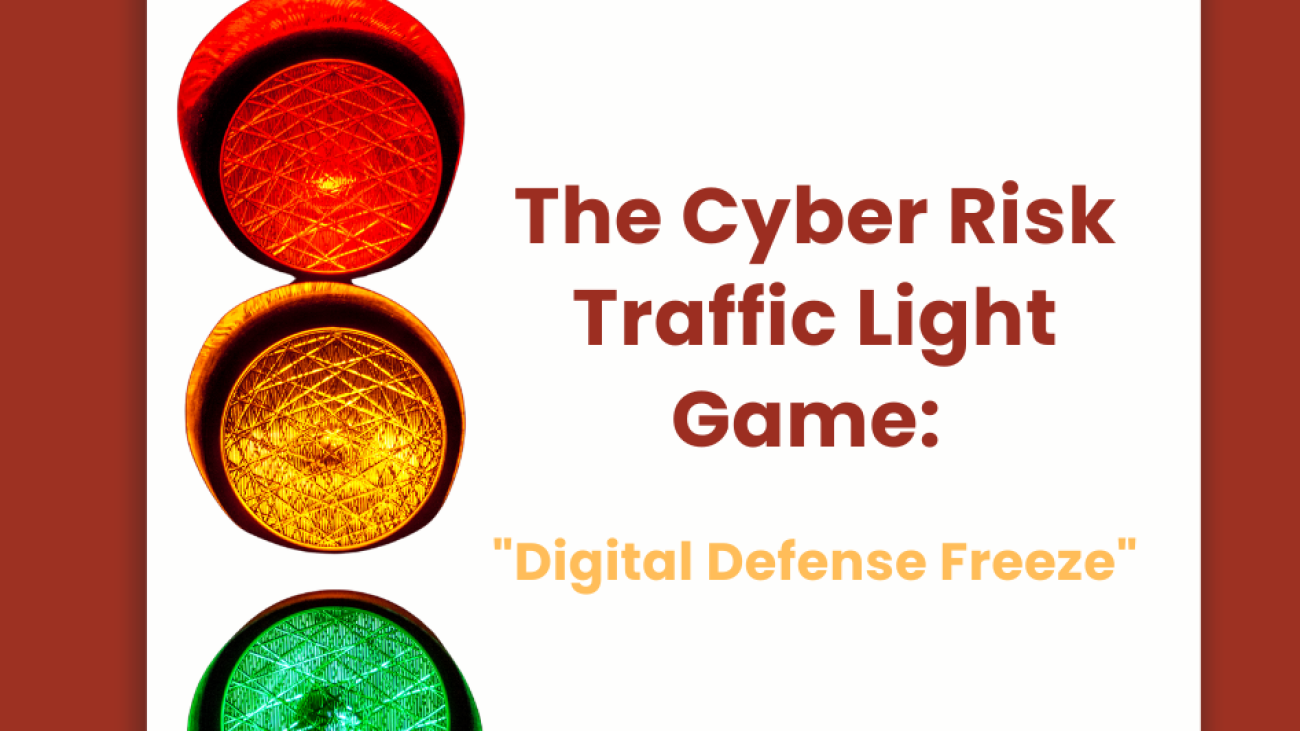
Introduction to the Cyber Risk Traffic Light Game: Digital Defense Freeze

Welcome to Digital Defense Freeze, an interactive Cyber Risk Traffic Light Game designed to sharpen rapid decision-making, strengthen teamwork, and build practical threat-analysis skills for CSOs, journalists, activists, and human rights defenders

In today’s rapidly evolving digital landscape, every online action carries some level of risk. This game helps participants practice identifying threats, debating complex scenarios, and choosing the safest path forward using the familiar Green, Amber, and Red traffic-light system.

Through realistic, high-pressure situations drawn from our civic space in Uganda, teams will think critically, argue their positions, and learn how to move from guesswork to informed security judgments.

Get ready to assess, debate, decide, and freeze when the risks spike!