WhatsApp Image 2025-12-10 at 13.18.41

Supporting Safer Digital Participation at DataFest Africa 2025: Our Clinic and Masterclass in Action

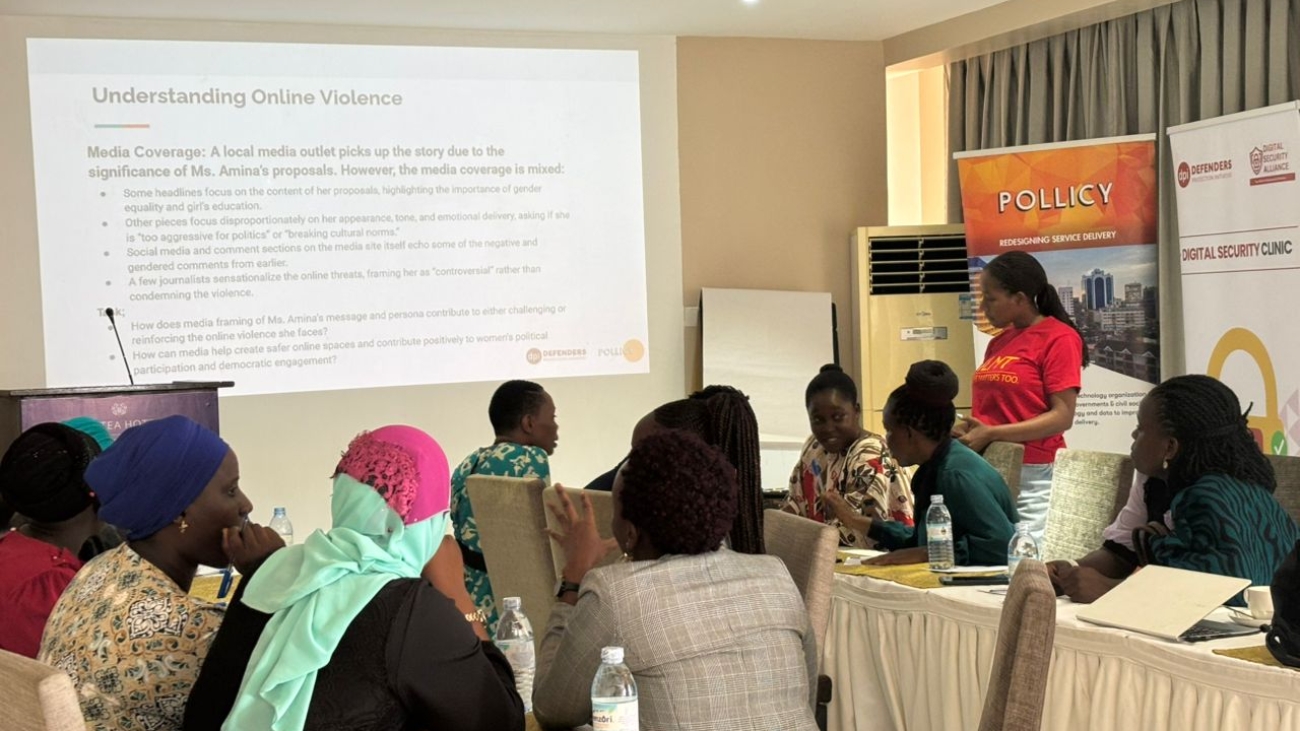
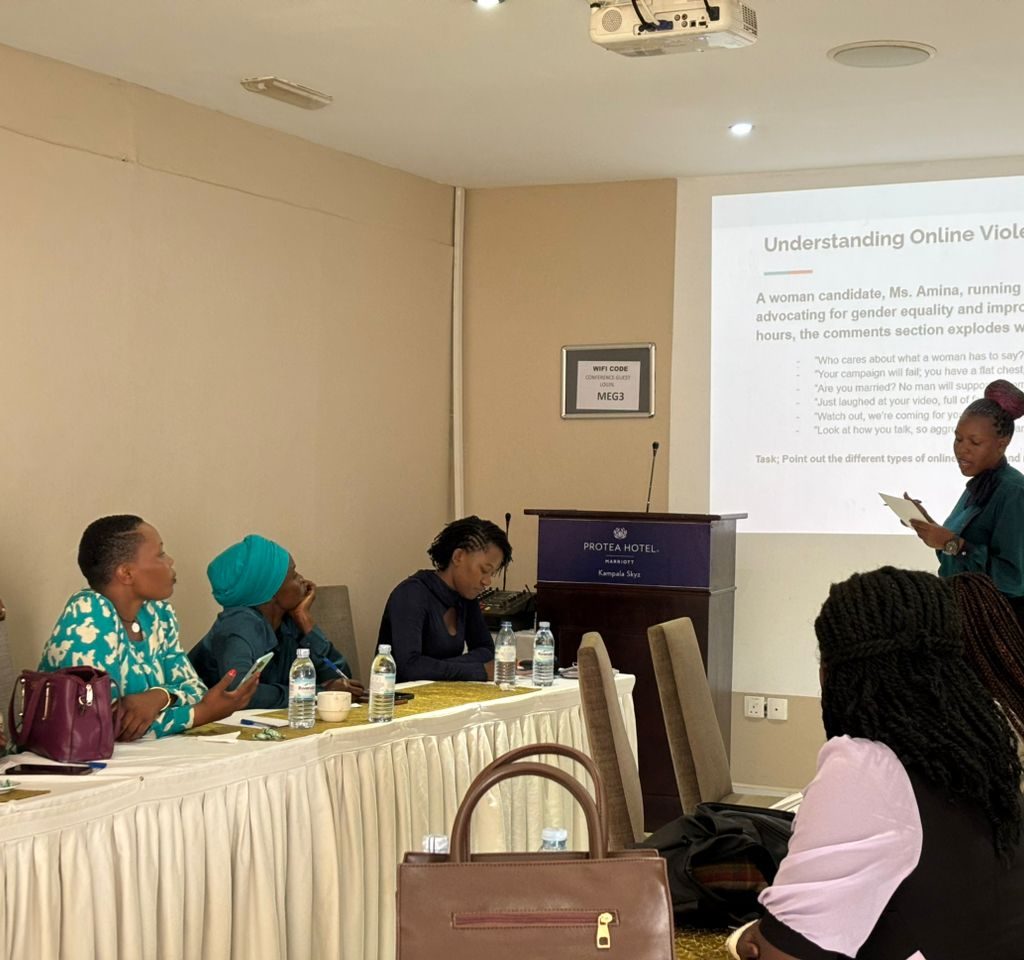
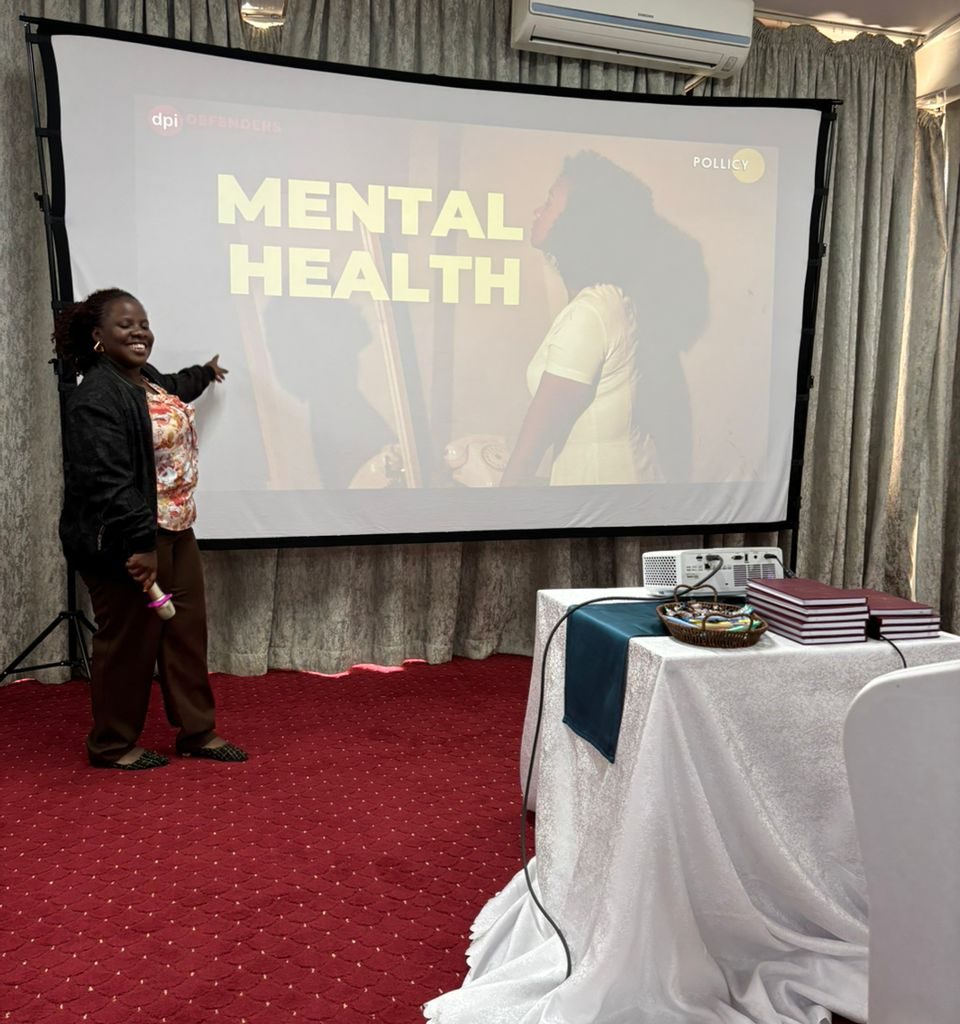
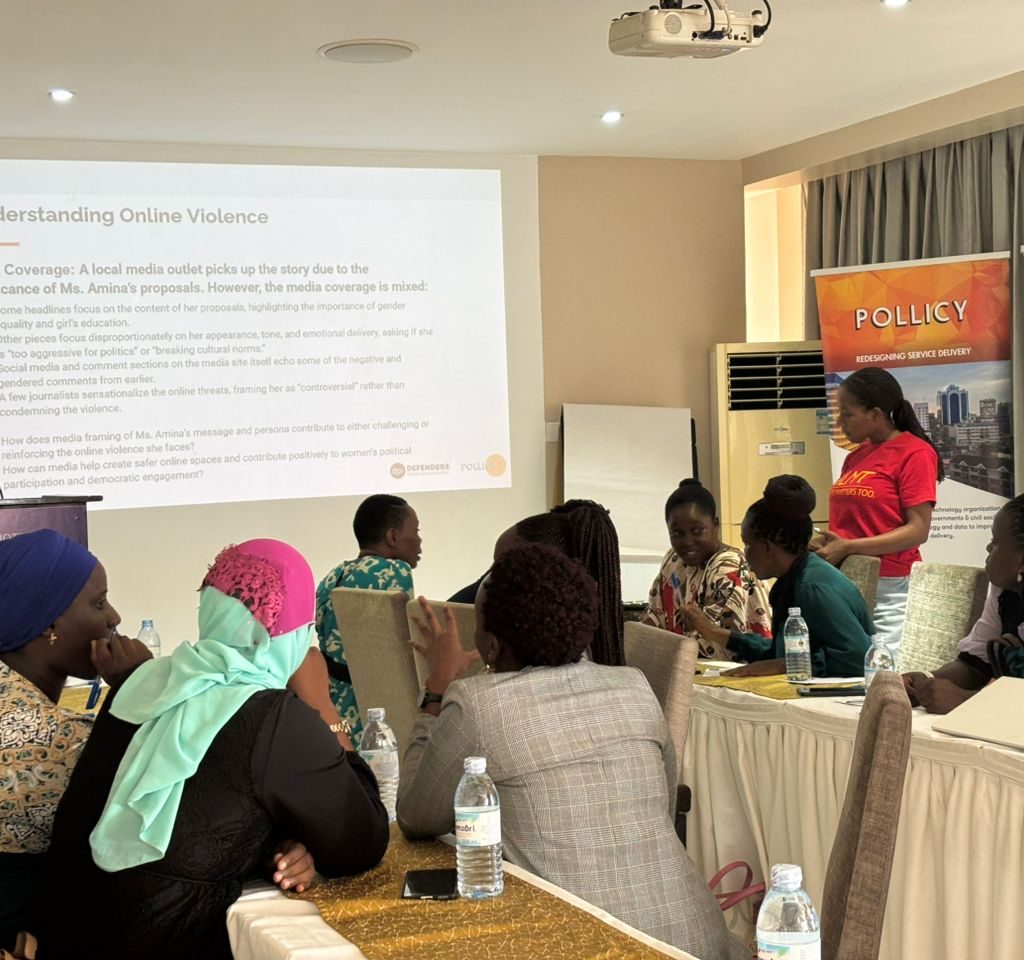
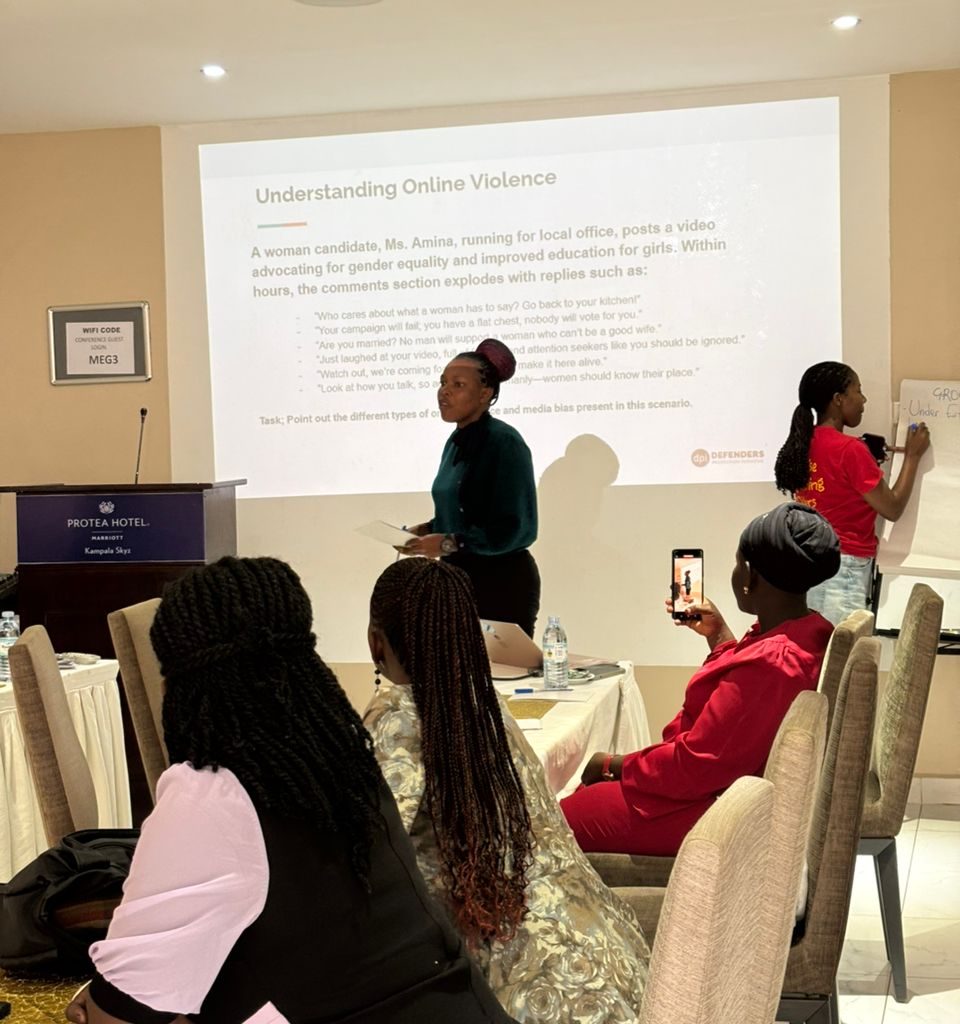
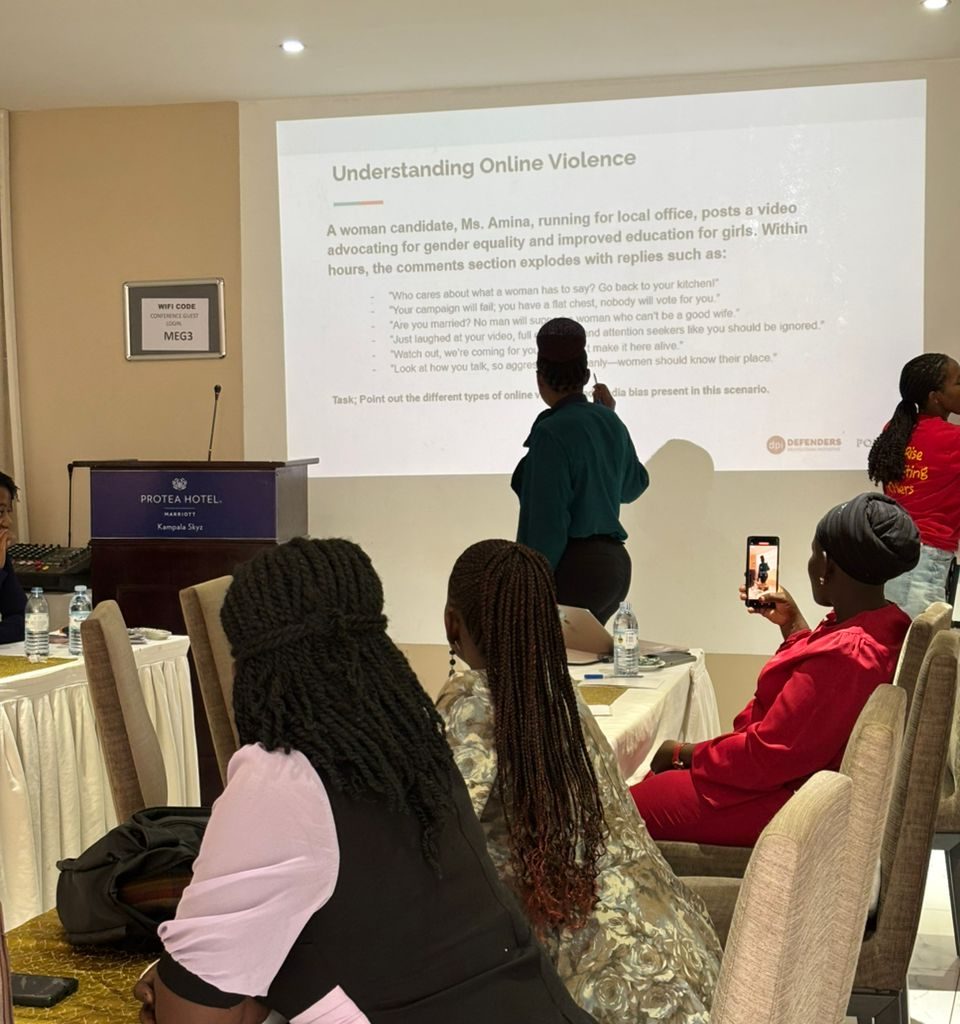
In October 2025, our team had the honor of participating in DataFest Africa 2025, organised by Pollicy, one of the continent’s leading convenings on data, technology, and innovation. As part of this vibrant gathering of technologists, researchers, civil society actors, policymakers, and creatives, we hosted a Digital Security Clinic, offering on-site support, guidance, and practical tools to participants navigating today’s fast-evolving digital landscape.

Why the Clinic Mattered

As digital spaces continue to expand across Africa, so do the risks that come with them including data misuse, online harassment, cyberstalking, image-based abuse, misinformation, account takeovers, and digital surveillance. For many activists, journalists, developers, and young innovators attending DataFest, these threats are not abstract; they are lived realities that affect their work, mental well-being, and personal safety.

Our clinic was designed as a safe, confidential, and responsive support space where participants could:

  • Seek one-on-one guidance on digital security and privacy
  • Report or discuss technology-facilitated gender-based violence
  • Get support on securing devices, accounts, and data
  • Receive mental health referrals and psychosocial first support after online abuse
  • Learn practical safety strategies for their work and activism

What We Offered on the Ground

Throughout the festival, our team provided:

  • Personalized digital risk assessments
  • Guidance on strong passwords, two-factor authentication, and safe browsing
  • Support on responding to online harassment, doxxing, and impersonation
  • Advice on safe content creation and data protection
  • Offered updated and genuine software like antivirus, MS Office, MS Word
  • Referral to trusted psychosocial and legal response partners where needed

Participants included women in tech, youth innovators, journalists, human rights defenders, researchers, and community organizers, many of whom were encountering structured digital safety support for the first time.

Key Reflections from the Clinic

Several key themes emerged from our engagement:

  • Online harm is deeply connected to offline safety, livelihoods, and mental health.
  • Many participants had experienced harassment, impersonation, or extortion but had never received professional support.
  • There is a strong demand for localized, continuous digital safety clinics, not just one-off trainings.
  • Women and young people remain disproportionately impacted by online violence and data misuse.

Building Resilient Digital Communities

Our presence at DataFest Africa 2025 reaffirmed the urgent need to move beyond awareness-raising alone. Safety must be practical, accessible, survivor-centered, and embedded into innovation spaces. Digital rights, data protection, and online wellbeing are not optional add-ons; they are essential foundations for meaningful participation in the digital economy.

By hosting this clinic, we demonstrated that large tech and data convenings can and should integrate real-time protection and support mechanisms alongside conversations on innovation, AI, governance, and development.

Masterclass: Shaping Youth Futures Through Digital Ownership

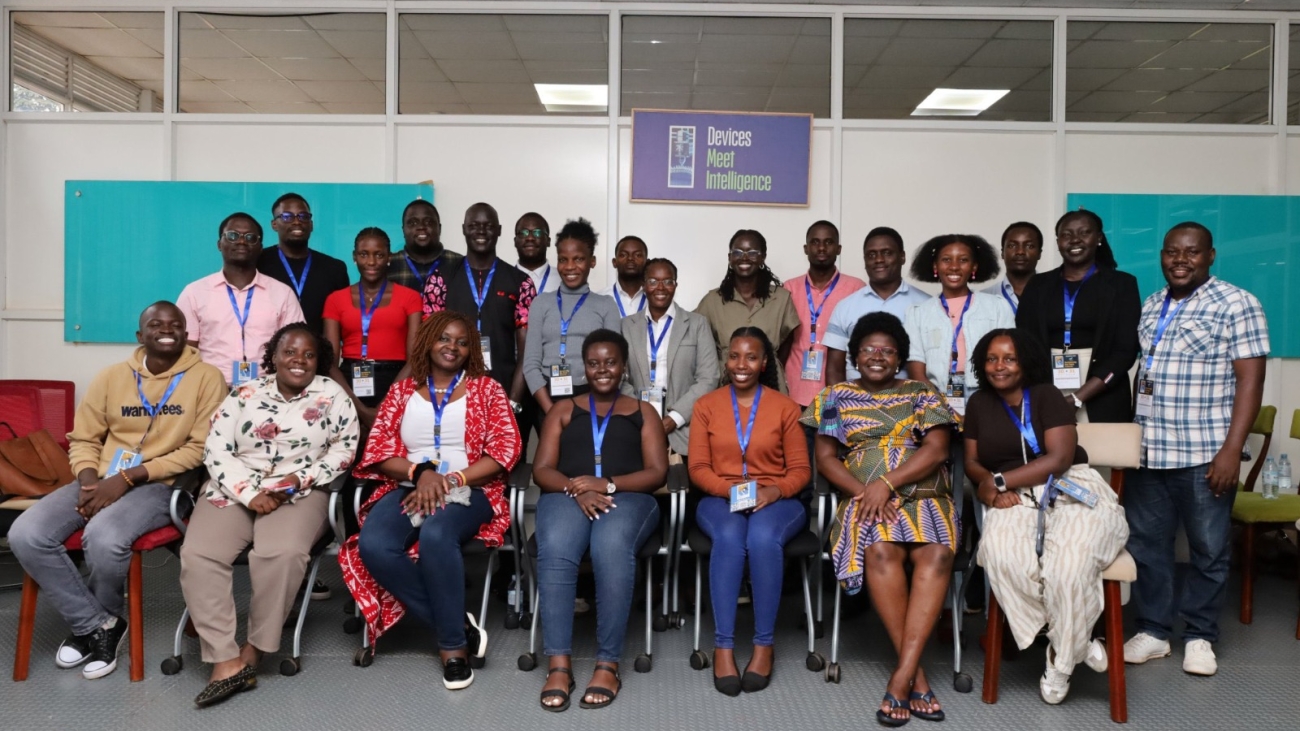
In addition to the digital safety clinic, we hosted a featured masterclass titled “Shaping Youth Futures Through Digital Ownership” at the National ICT Innovation Hub, Nakawa. The session brought together young people, innovators, and ecosystem actors to explore how digital ownership can unlock opportunity, protection, and economic independence for African youth. Participants engaged deeply with what digital ownership truly means in today’s platform-dominated economy, emphasizing the importance of owning data, digital skills, content, and platforms as a foundation for sustainable digital participation.

The masterclass examined how young people can transition from being passive digital consumers to empowered digital creators and owners, while critically reflecting on the risks of digital exploitation, platform dependence, and unsafe monetization. It further highlighted the role of policy, infrastructure, and community networks in protecting young digital entrepreneurs. The session was co-led by Noelyn Nassuuna, Raymond Amumpaire, and Owilla Abiro Mercy, who collectively challenged participants to think beyond access toward control, agency, safety, and sustainability in the digital economy.

Looking Ahead

Following DataFest Africa 2025, we are strengthening our:

  • Mobile digital safety clinics
  • Survivor-centered referral pathways
  • Youth and women-focused digital resilience programming
  • Partnerships with tech platforms, mental health professionals, and legal responders

We remain committed to ensuring that no one has to choose between visibility and safety, innovation and wellbeing, or participation and protection in digital spaces.
WhatsApp Image 2025-11-26 at 11.36.49

LEDTAF POLICY: STRENGTHENING LAND & ENVIRONMENTAL GOVERNANCE IN UGANDA:

COMMUNITY-INFORMED PRIORITIES FOR THE NATIONAL LAND POLICY REVIEW (2025)

Executive Summary Uganda is undertaking a critical review of its 2013 National Land Policy (NLP), offering a rare opportunity to address deep-seated governance failures in land and environmental management. While the policy framework on paper is sound, its implementation remains weak, uneven, and exclusionary. Communities, especially those in ecologically sensitive or resource-rich areas, continue to experience illegal evictions, land grabbing, environmental degradation, and systemic exclusion from decision-making processes.

To inform this review, the Land and Environmental Defenders Taskforce (LEDTAF) conducted a nationwide consultation combining survey data and focus group discussions. The study captured perspectives from 68 respondents across multiple regions, with a particular focus on areas affected by infrastructure expansion, extractive projects, and forest encroachment. The results present issues of selective law enforcement, politically motivated land allocations, and increasing threats faced by land and environmental defenders, among others.

A key finding was the disconnect between Uganda’s legal frameworks and the lived realities of communities. Respondents reported weak institutional coordination, corruption in land administration, and a consistent failure to engage grassroots actors in policy implementation. Environment and land defenders face harassment, intimidation, and lack any meaningful protection under current law, with little consideration for women and youth, whose voices are often silenced by patriarchal and political barriers.

Nonetheless, communities are not passive victims. They have developed powerful, locally grounded solutions from using indigenous conservation methods and traditional dispute resolution systems to adopting digital tools for reporting violations. These community-led innovations offer practical entry points for policy reform that is both just and enforceable.

This brief translates these insights into ten targeted recommendations with concrete implementation plans. It is intended for lawmakers, policy institutions, and local government actors involved in the ongoing NLP review. Implementing these reforms will help align the national land policy with community priorities, improve institutional accountability, and create an enabling environment for inclusive, transparent, and sustainable land governance.

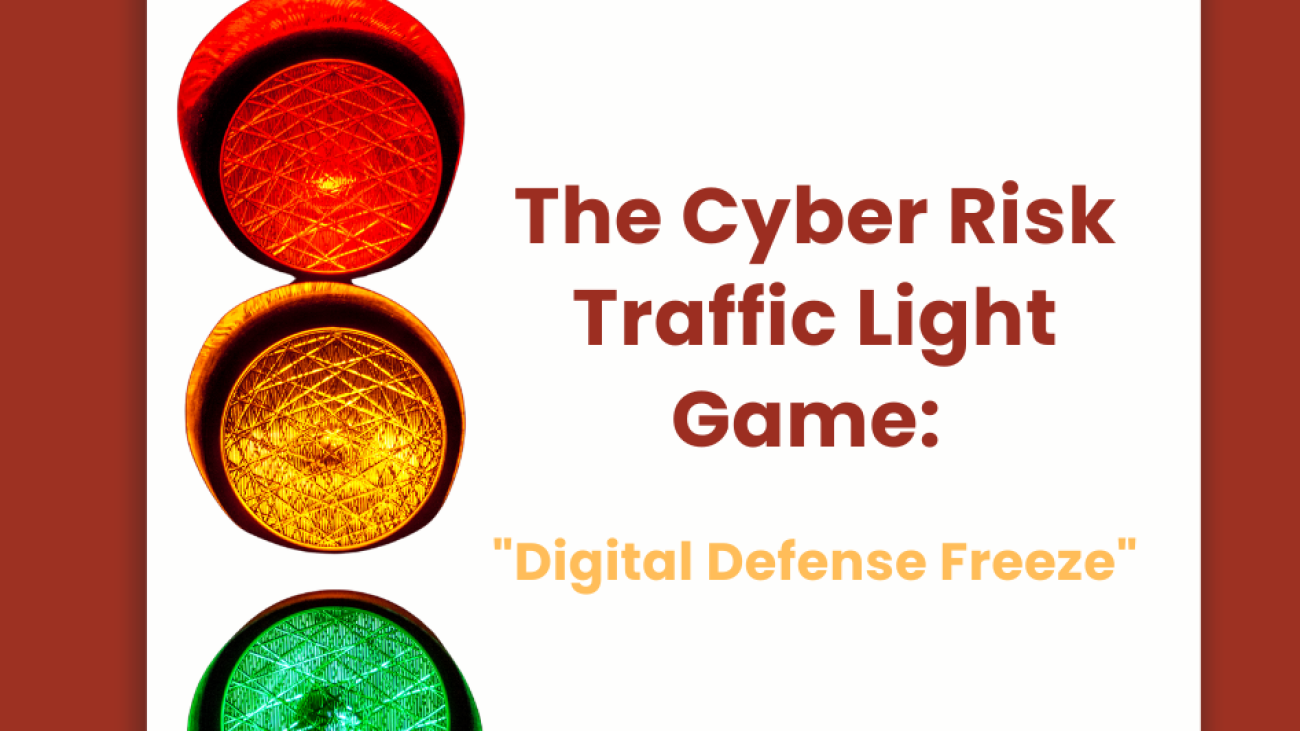
The Cyber Risk Traffic Light Game for CSOs

Introduction to the Cyber Risk Traffic Light Game: Digital Defense Freeze

Welcome to Digital Defense Freeze, an interactive Cyber Risk Traffic Light Game designed to sharpen rapid decision-making, strengthen teamwork, and build practical threat-analysis skills for CSOs, journalists, activists, and human rights defenders

In today’s rapidly evolving digital landscape, every online action carries some level of risk. This game helps participants practice identifying threats, debating complex scenarios, and choosing the safest path forward using the familiar Green, Amber, and Red traffic-light system.

Through realistic, high-pressure situations drawn from our civic space in Uganda, teams will think critically, argue their positions, and learn how to move from guesswork to informed security judgments.

Get ready to assess, debate, decide, and freeze when the risks spike!

U.S. Ruling on NSO Sends Warning as Pegasus Targets Ugandan Journalists

By Noelyn Nassuuna | 8 May 2025

In a historic decision on May 6, 2025, a U.S. jury in California ordered NSO Group to pay $168 million in damages for deploying its Pegasus spyware to hack WhatsApp’s infrastructure. This unprecedented verdict—$447,719 in compensatory damages and over $167 million in punitive damages—marks the first time the notorious Israeli spyware company is held financially accountable in court for its hacking operations.

This ruling is a major victory for global digital rights defenders and a critical warning to companies enabling unlawful surveillance. For years, NSO Group’s Pegasus spyware has been linked to grave human rights violations, including the targeting of journalists, activists, and dissidents worldwide. Meta, the parent company of WhatsApp, pursued a six-year legal battle to expose these abuses and protect its users. The judgment follows a landmark January 2025 summary ruling that found NSO guilty of violating U.S. and California hacking laws and breaching WhatsApp’s Terms of Service.

“This verdict sends a clear message to spyware companies that targeting people through U.S.-based platforms will come with a high price,” said Michael De Dora, U.S. Policy and Advocacy Manager at Access Now.

But while the courtroom victory occurred in the United States, its impact reverberates far beyond. Just days before the judgment, Ugandan investigative journalist Canary Mugume took to X (formerly Twitter) to reveal that Pegasus spyware had attempted to infiltrate his device. His post sent shockwaves through Uganda’s media and civil society sectors, especially as the nation edges closer to its 2026 general elections.

This is not the first time Pegasus has been used to target journalists globally. In Uganda, such incidents signal a chilling escalation in the digital threats facing the press. The implications are grave: surveillance software like Pegasus doesn’t just spy on individuals—it compromises entire newsrooms, sources, and the right to information.

“Apple sent this notification to me indicating that I am being targeted by a mercenary spyware. Most of these are used by Governments to hack into phones of journalists, high-profile figures and activists. They last sent this in 2021, there’s a pattern – electoral season.”

In past years, several journalists and human rights defenders in Uganda have reported suspicious digital intrusions, but rarely with hard evidence pointing to a tool as sophisticated and invasive as Pegasus. The spyware is known for its ability to silently infiltrate phones, access messages, camera, microphone, and more—all without the user’s knowledge.

At Defenders Protection Initiative (DPI), we continue to raise alarm and awareness over the growing use of surveillance technologies to intimidate, silence, or endanger the work of journalists, activists, and civil society organizations. The risks are particularly heightened during politically sensitive periods such as elections, where access to reliable information and protection of press freedom are critical for democratic integrity.

The recent U.S. court ruling is a reminder: accountability is possible. It is also a call to action for governments, tech companies, and civil society in Uganda and across Africa to:

  • Strengthen digital security protocols for journalists and human rights defenders
  • Demand transparency and oversight over surveillance technologies
  • Challenge spyware vendors through legal, policy, and public channels

We stand in solidarity with journalists like Canary Mugume and urge all media professionals to report digital threats and seek expert support. DPI remains committed to supporting journalists and human rights defenders through digital security trainings, emergency response, and legal support.

As elections approach, the protection of digital rights is not just a tech issue—it is a human rights imperative.

WhatsApp Image 2025-11-20 at 13.13.36

A Mini Digital Security Handbook for CSOs

In today’s rapidly evolving digital landscape, Civil Society Organizations (CSOs) face increasing risks that threaten their work, safety, and credibility. From data breaches and online harassment to targeted cyber-attacks on human rights defenders, the need for practical, accessible, and context-relevant digital protection has never been greater.

To support CSOs in strengthening their resilience, Defenders Protection Initiative (DPI) has developed the Mini Digital Security Handbook for CSOs, a simplified, action-oriented guide designed to equip teams with essential knowledge and tools for safer digital engagement. Whether you are an advocacy group, community-based organization, media house, or grassroots movement, this handbook provides clear steps you can take today to safeguard your communications, devices, data, and online presence.

This resource breaks down complex digital security concepts into easy-to-understand practices tailored to the realities of organizations working in sensitive environments. It is perfect for beginners, trainers, and teams seeking a quick but reliable reference for digital safety.

Strengthen your organization’s digital resilience.
Start your journey with the Mini Digital Security Handbook today.

The Guardians of Peace: The Crucial Role of Human Rights Defenders in Building a Peaceful World

By Noelyn Tracy Nassuuna

International Peace Day has come and gone, but the mission of building and sustaining peace continues every single day, especially for human rights defenders (HRDs) around the world. These courageous individuals are often on the front lines, advocating for justice, equality, and human dignity in the face of adversity. Their work is crucial in addressing the root causes of conflict and promoting long-lasting peace.

Holding Regulators Accountable for Data Privacy and Protection in Uganda’s NGO Sector -DPI

By Helen Namyalo Kimbugwe and Noelyn Tracy Nassuuna

As Uganda heads toward a pivotal election season, the release of sensitive financial statements for Non-Governmental Organizations (NGOs) like Chapter Four Uganda has sparked intense debate. These disclosures carry significant implications for donors, NGOs, and the public, shaping trust, transparency, and operational stability.

What does this mean for NGOs operating in Uganda, their donors, and the communities they serve? How can transparency be balanced with protection in such politically charged times?

To delve deeper into these issues, download the full article now and stay informed about the future of civil society in Uganda.

hacker-attack

Top Ways Businesses get Hacked

Bait and Switch Attack

Using trusted marketing methods such as paid-for advertising on websites, attackers can trick you into visiting malicious sites. When websites sell advertising space, it can be purchased by rogue attackers. The bona fide advertisement can be replaced with a ‘bad’ link that can be used to download malware, lock up your browser, or compromise your systems.

Alternatively, the advertisement may link to a legitimate website, but it will be programmed to redirect you to a harmful site

Key Logger

A key logger is a small piece of software that, when downloaded into your computer, will record every keystroke. The key logger will capture every keystroke on the keyboard, every username, password and credit card number, etc., exposing all of your data and personal information

Denial of Service (DoS\DDoS) Attacks

A Denial of Service attack is a hacking technique designed to flood your web server with a myriad of requests to the point that it overloads the web server resulting in a website crash.

To do this, hackers will deploy botnets or zombie computers that have a single task, flood your web site with data requests

ClickJacking Attacks

This method tricks you into clicking on something different from what you thought you were clicking. The clickjacking element could be a button on a web page that, when clicked, performs another function, allowing others to take control of the computer. The host website may not be aware of the existence of the clickjacking element.

Fake W.A.P.

A hacker can use software to impersonate a wireless access point (W.A.P.), which can connect to the ‘official’ public place W.A.P. that you are using. Once you get connected to the fake W.A.P., a hacker can access your data.

To fool you, the hacker will give the fake W.A.P. an apparent genuine name such as ’T.F. Green Aiport Free WiFi.’

Cookie Theft


The cookies in your web browsers (Chrome, Safari, etc.) store personal data such as browsing history, username, and passwords for different sites we access. Hackers will send I.P. (data) packets that pass through your computer, and they can do that if the website you are browsing doesn’t have an SSL (Secure Socket Layer) certificate. Websites that begin with HTTPS:// are secure, whereas sites that start with HTTP:// (no ‘S’) do not have SSL and are NOT considered secure.

Viruses and Trojans

Viruses or Trojans are malicious software programs that, when installed on your computer, will send your data to the hacker. They can also lock your files, spread to all the computers connected to your network, and perform many other nasty actions.

Seek for a Security Check

As you can see, it is all too easy to have your business systems inadvertently compromised, you can seek for a security check to secure to protect your business. It is tailored to the needs of each business.   click here

hack-whatsapp-1024x682

WhatsApp 2FA: Secure Yourself From This Simple Hack

Imagine someone has taken over your account, what would happen to you and the people who contact you on WhatsApp?

Just as it is easy to fresh install of WhatsApp for your new phone is also how easy an attacker would gain access to your WhatsApp and possibly start a conversation with your friends claiming it is you.

Most times, the direct risk is not to you if you’re attacked, but to your contacts. They can expect to receive requests for data or even emergency funds. This is social engineering at its best. We would trust an end-to-end encrypted platform, a message from a trusted friend and so are coded to have our guards down and rather feel pity in these circumstances.

The repercussions of this happening are beyond imagination. This can even further spread to more of your contacts having there WhatsApp accounts taken over.
With the account taken over, the attackers could then message contacts in the groups you are in as if from the account holder (you), as well as any other contacts whose WhatsApp messages were received after the take over. No legacy data is compromised. The target device remains untouched. WhatsApp has simply been ghosted onto an illegitimate device.

It is surprising how many people have not yet enabled the Two-step verification PIN in WhatsApp—almost everyone we have asked has yet to set it up. If you’re the same, then please take that minute and set it up now. 

The Question now is, How do we prevent this from happening to you for the first time or again?

WhatsApp introduced a feature where you can set a PIN of your own choice and even an email address just in case you forget your PIN. The PIN is your own verification to confirm that it is you even after inputting the SMS verification so you do not otherwise have to share your PIN with anyone.

You can find this feature in your WhatsApp setting > Account > Two-step verification: There you will be prompted to enable your PIN and confirm it, then you will also be asked to type in an email address to use to recover your account in case you forget your PIN