WhatsApp Image 2026-01-22 at 11.36.37 (1)

Strengthening Digital Safety, Legal Awareness, and Mental Well-Being for Women Politicians and Journalists ahead of the Uganda 2026 elections

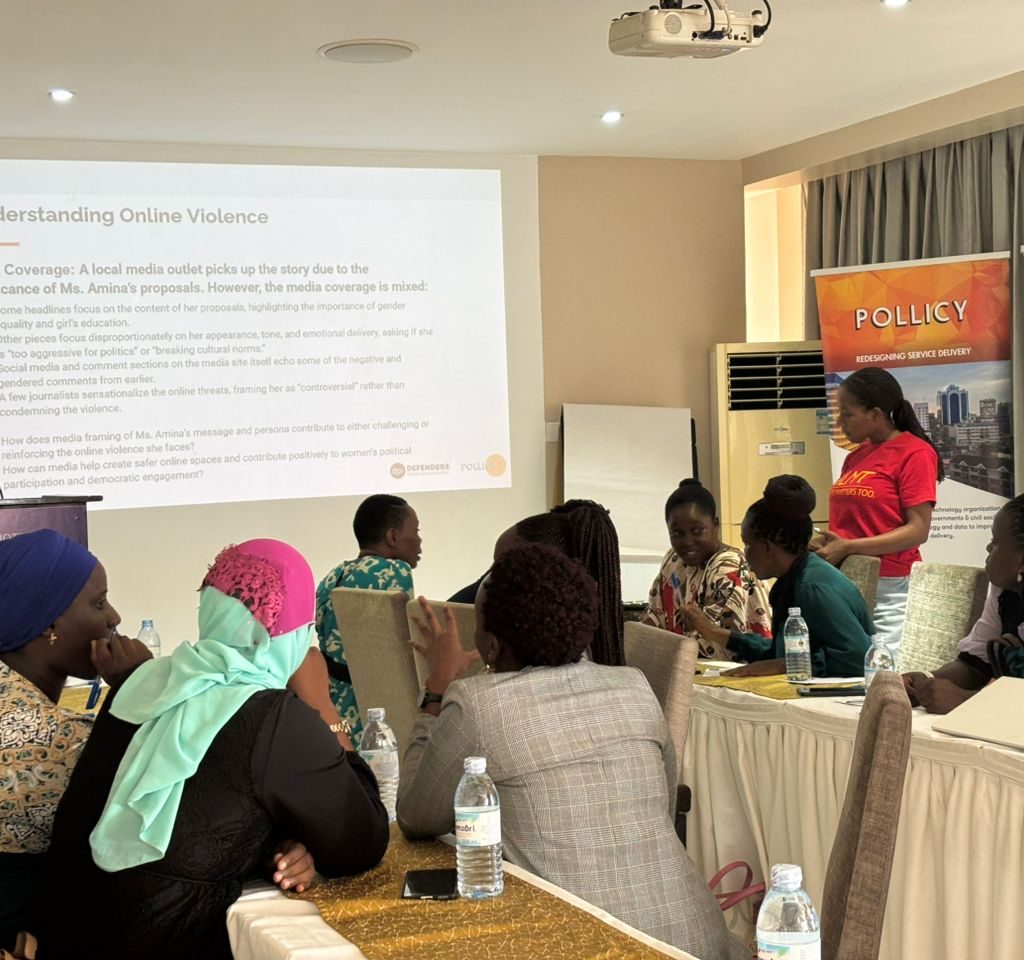
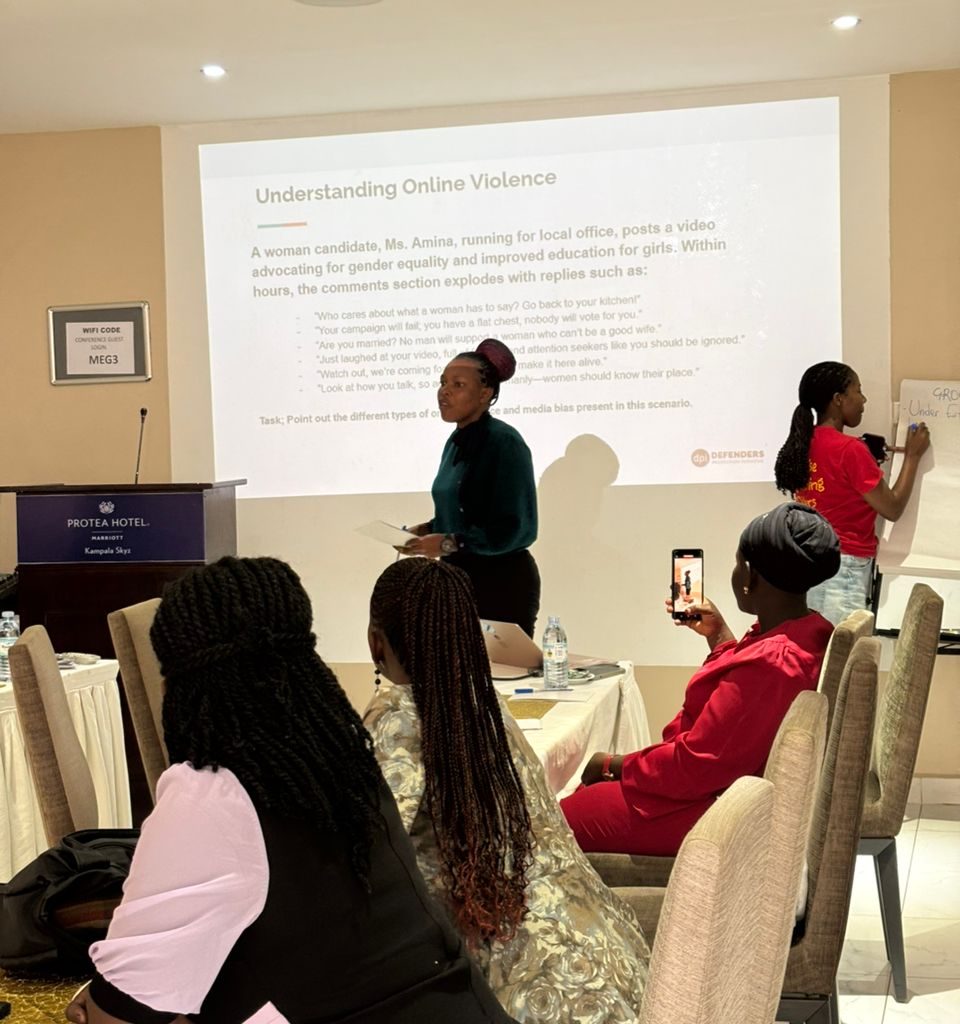
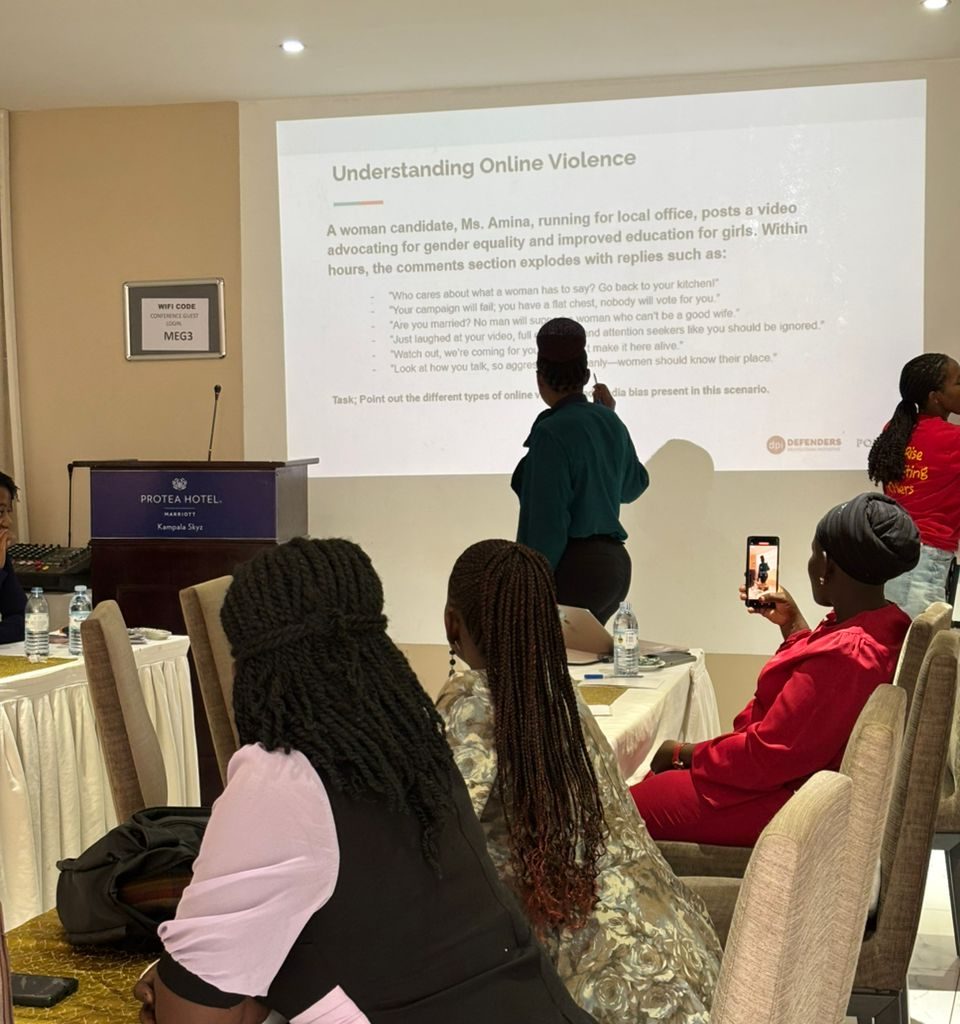
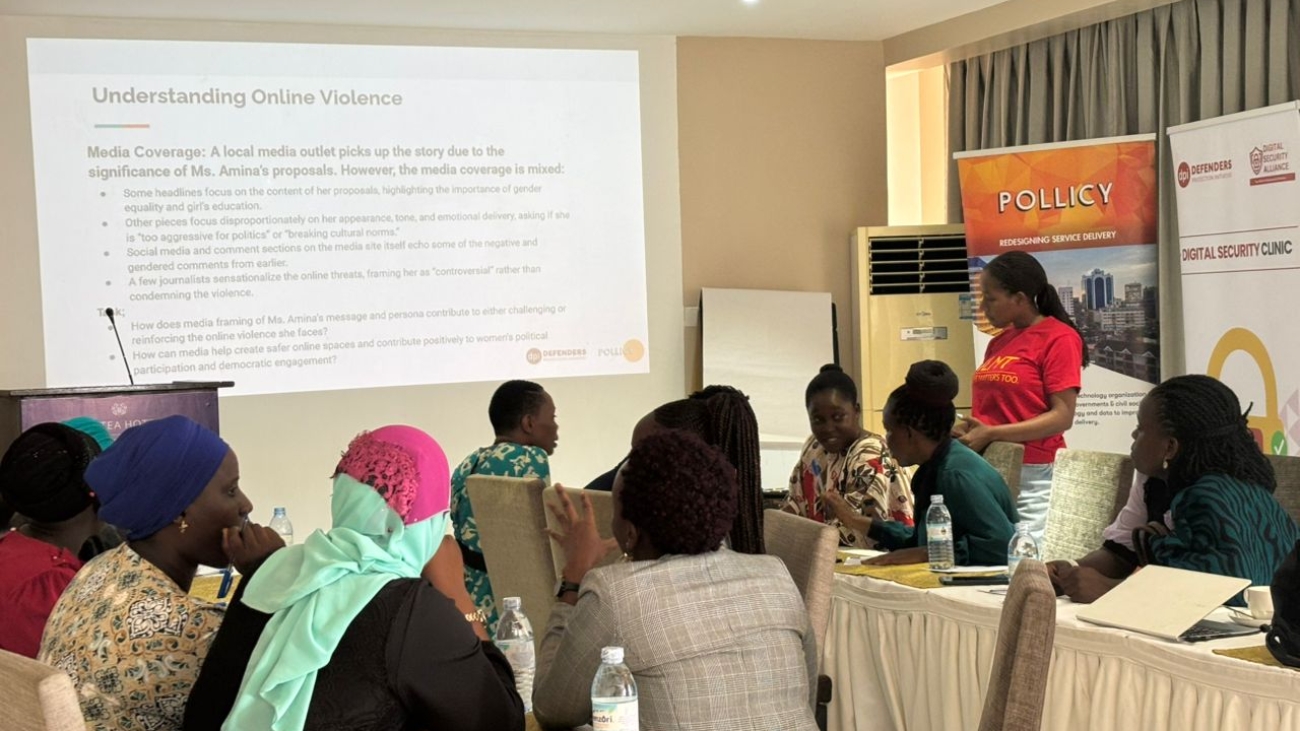
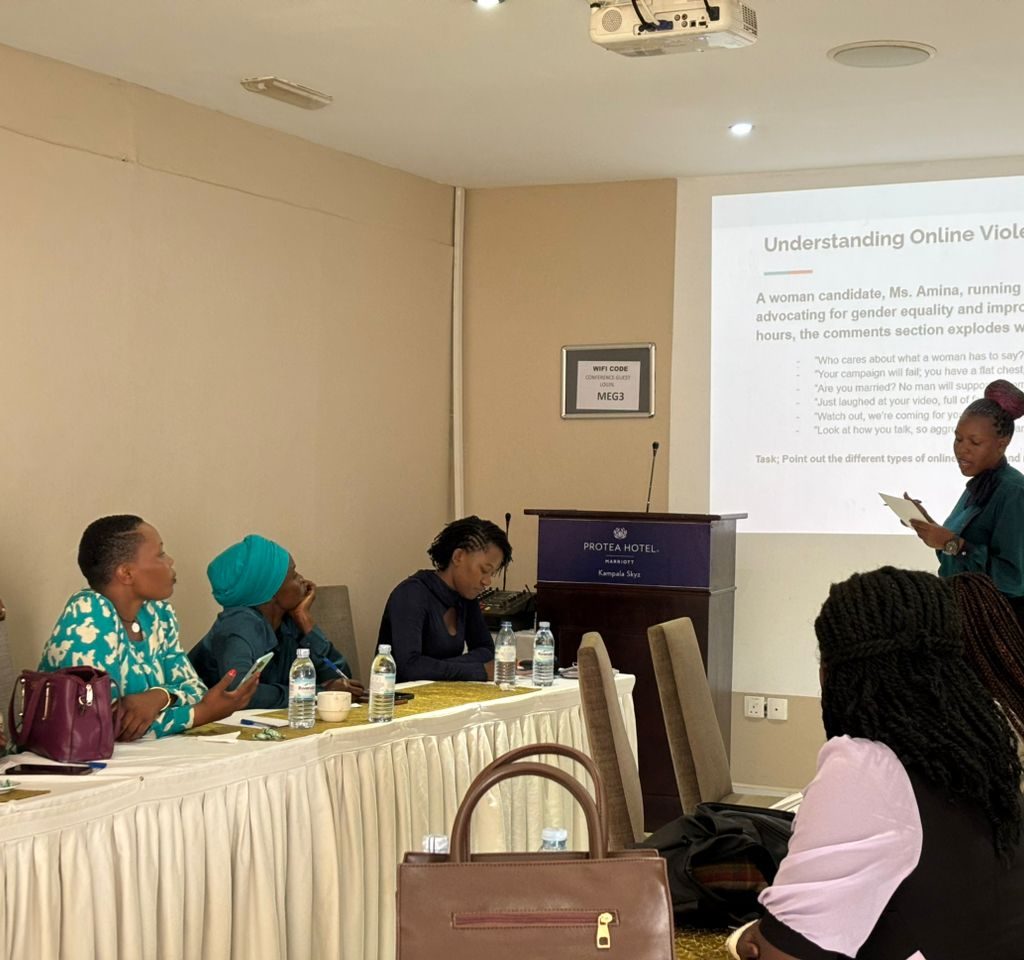
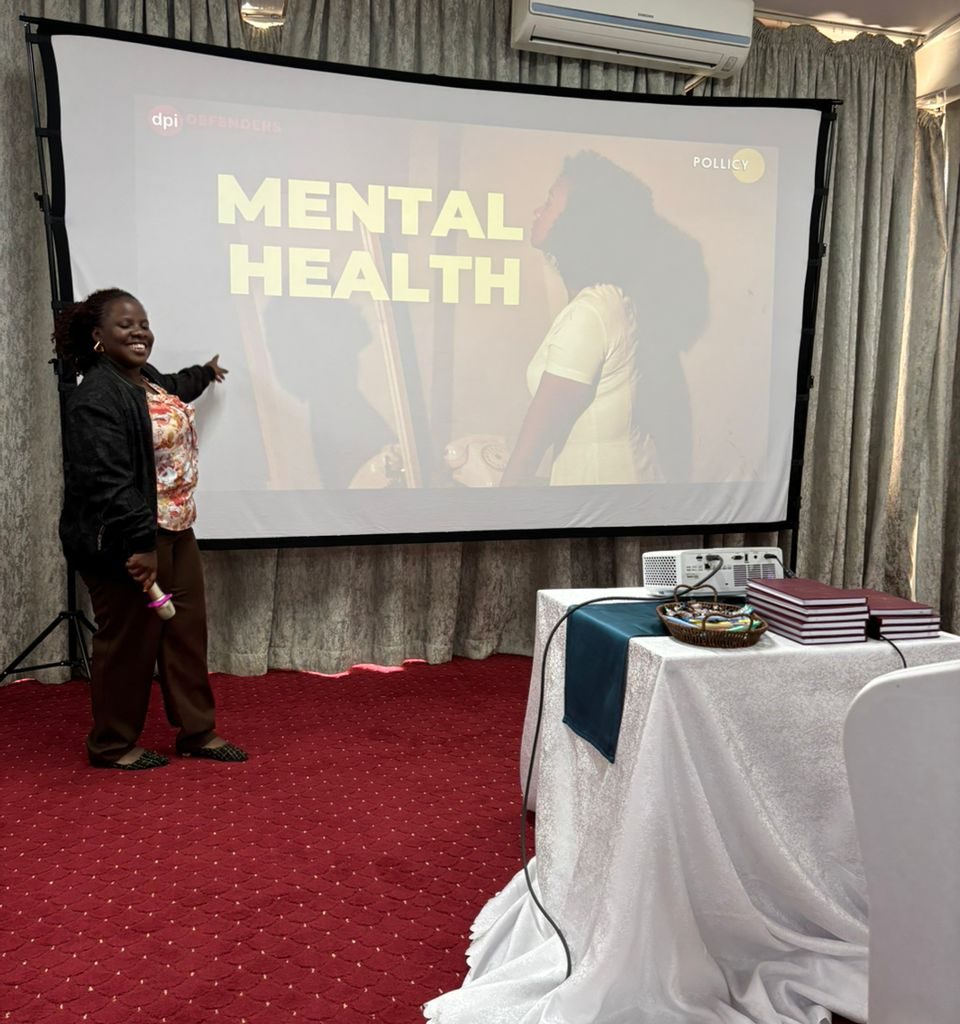
Women journalists and women politicians increasingly operate in hostile digital and political environments where online harassment, surveillance, legal intimidation, and psychological pressure are becoming routine. To respond to these risks, Defenders Protection Initiative (DPI), in partnership with Pollicy, with support from Urgent Action Fund, conducted two tailored two-day capacity-building trainings focused on digital safety, legal implications and compliance, and mental health.

The trainings were delivered separately for women journalists and women politicians, recognising the distinct risk landscapes they navigate while grounding both engagements in shared principles of safety, rights protection, and resilience.

Addressing Real and Escalating Digital Threats

Participants shared experiences of online harassment, coordinated smear campaigns, account takeovers, surveillance, doxxing, and threats that often translate into offline harm. These attacks undermine professional work, personal safety, and emotional well-being. The trainings were designed to be practical and grounded, equipping participants with tools and strategies they could immediately apply in their work and daily lives.

Key Focus Areas of the Trainings

Over the two days, the sessions combined technical learning, legal literacy, and psychosocial support through interactive and participant-centred approaches:

1. Digital Safety Tools and Practices
Participants were introduced to safe and trusted digital tools for secure communication, strong account protection, password management, and safe data handling. Hands-on exercises supported participants in assessing personal and organisational risk and adopting safer digital practices without fear or overwhelm.

2. Legal Implications and Compliance
The training unpacked relevant legal and regulatory frameworks affecting digital engagement, journalism, and political participation. Participants explored compliance obligations, responsible online conduct, and ways to protect themselves legally while continuing to exercise freedom of expression and civic participation.

3. Mental Health and Psychosocial Well-Being
Recognising the emotional toll of digital attacks, dedicated sessions focused on mental health, burnout, and collective care. Participants discussed coping mechanisms, peer support, and referral pathways for psychosocial and mental health support, reinforcing the importance of well-being as a core component of protection.

Creating Safe and Supportive Learning Spaces

DPI intentionally created safe, feminist, and survivor-centered spaces where women could share their experiences openly, learn collectively, and rebuild their confidence. The approach affirmed that digital safety is not only technical or legal, but it is also deeply linked to dignity, agency, and mental well-being.

Outcomes and the Way Forward

By the end of the training, participants reported increased confidence in:

  • Using secure digital tools and safer online practices
  • Understanding legal risks and compliance responsibilities
  • Responding to online harassment and intimidation
  • Prioritising mental health and seeking support when needed

Through collaboration with Pollicy and the support of the Urgent Action Fund, DPI delivered a holistic intervention that recognises digital safety, legal protection, and mental health as interconnected pillars for women’s participation in journalism and politics.

Defenders Protection Initiative remains committed to strengthening the safety, resilience, and leadership of women human rights defenders, journalists, and political actors, ensuring they can continue to engage in public life safely, confidently, and with dignity.
U.S. Ruling on NSO Sends Warning as Pegasus Targets Ugandan Journalists

By Noelyn Nassuuna | 8 May 2025

In a historic decision on May 6, 2025, a U.S. jury in California ordered NSO Group to pay $168 million in damages for deploying its Pegasus spyware to hack WhatsApp’s infrastructure. This unprecedented verdict—$447,719 in compensatory damages and over $167 million in punitive damages—marks the first time the notorious Israeli spyware company is held financially accountable in court for its hacking operations.

This ruling is a major victory for global digital rights defenders and a critical warning to companies enabling unlawful surveillance. For years, NSO Group’s Pegasus spyware has been linked to grave human rights violations, including the targeting of journalists, activists, and dissidents worldwide. Meta, the parent company of WhatsApp, pursued a six-year legal battle to expose these abuses and protect its users. The judgment follows a landmark January 2025 summary ruling that found NSO guilty of violating U.S. and California hacking laws and breaching WhatsApp’s Terms of Service.

“This verdict sends a clear message to spyware companies that targeting people through U.S.-based platforms will come with a high price,” said Michael De Dora, U.S. Policy and Advocacy Manager at Access Now.

But while the courtroom victory occurred in the United States, its impact reverberates far beyond. Just days before the judgment, Ugandan investigative journalist Canary Mugume took to X (formerly Twitter) to reveal that Pegasus spyware had attempted to infiltrate his device. His post sent shockwaves through Uganda’s media and civil society sectors, especially as the nation edges closer to its 2026 general elections.

This is not the first time Pegasus has been used to target journalists globally. In Uganda, such incidents signal a chilling escalation in the digital threats facing the press. The implications are grave: surveillance software like Pegasus doesn’t just spy on individuals—it compromises entire newsrooms, sources, and the right to information.

“Apple sent this notification to me indicating that I am being targeted by a mercenary spyware. Most of these are used by Governments to hack into phones of journalists, high-profile figures and activists. They last sent this in 2021, there’s a pattern – electoral season.”

In past years, several journalists and human rights defenders in Uganda have reported suspicious digital intrusions, but rarely with hard evidence pointing to a tool as sophisticated and invasive as Pegasus. The spyware is known for its ability to silently infiltrate phones, access messages, camera, microphone, and more—all without the user’s knowledge.

At Defenders Protection Initiative (DPI), we continue to raise alarm and awareness over the growing use of surveillance technologies to intimidate, silence, or endanger the work of journalists, activists, and civil society organizations. The risks are particularly heightened during politically sensitive periods such as elections, where access to reliable information and protection of press freedom are critical for democratic integrity.

The recent U.S. court ruling is a reminder: accountability is possible. It is also a call to action for governments, tech companies, and civil society in Uganda and across Africa to:

  • Strengthen digital security protocols for journalists and human rights defenders
  • Demand transparency and oversight over surveillance technologies
  • Challenge spyware vendors through legal, policy, and public channels

We stand in solidarity with journalists like Canary Mugume and urge all media professionals to report digital threats and seek expert support. DPI remains committed to supporting journalists and human rights defenders through digital security trainings, emergency response, and legal support.

As elections approach, the protection of digital rights is not just a tech issue—it is a human rights imperative.

card with security tips holder WEB (3).pdf

Introduction to Our Digital Security Tips Ring Cards

Staying safe online shouldn’t be complicated. That’s why we created the Digital Security Ring Cards, a compact, easy-to-use tool designed to help individuals and teams quickly access essential digital safety tips anytime, anywhere.

These ring cards simplify critical digital security practices into short, practical reminders you can flip through on the go. Whether you’re a human rights defender, journalist, student, activist, or part of a CSO, the ring cards offer daily guidance to help you protect your devices, accounts, data, and online presence.

Each card is intentionally crafted with clear language, actionable steps, and real-world relevance, making digital security approachable for beginners and useful even for experienced users. Perfect for trainings, workshops, office desks, fieldwork kits, and personal use, the ring cards act as your pocket-sized security companion.

Empower yourself with knowledge.
Carry digital safety with you, one card at a time.

WhatsApp Image 2025-11-20 at 13.13.36

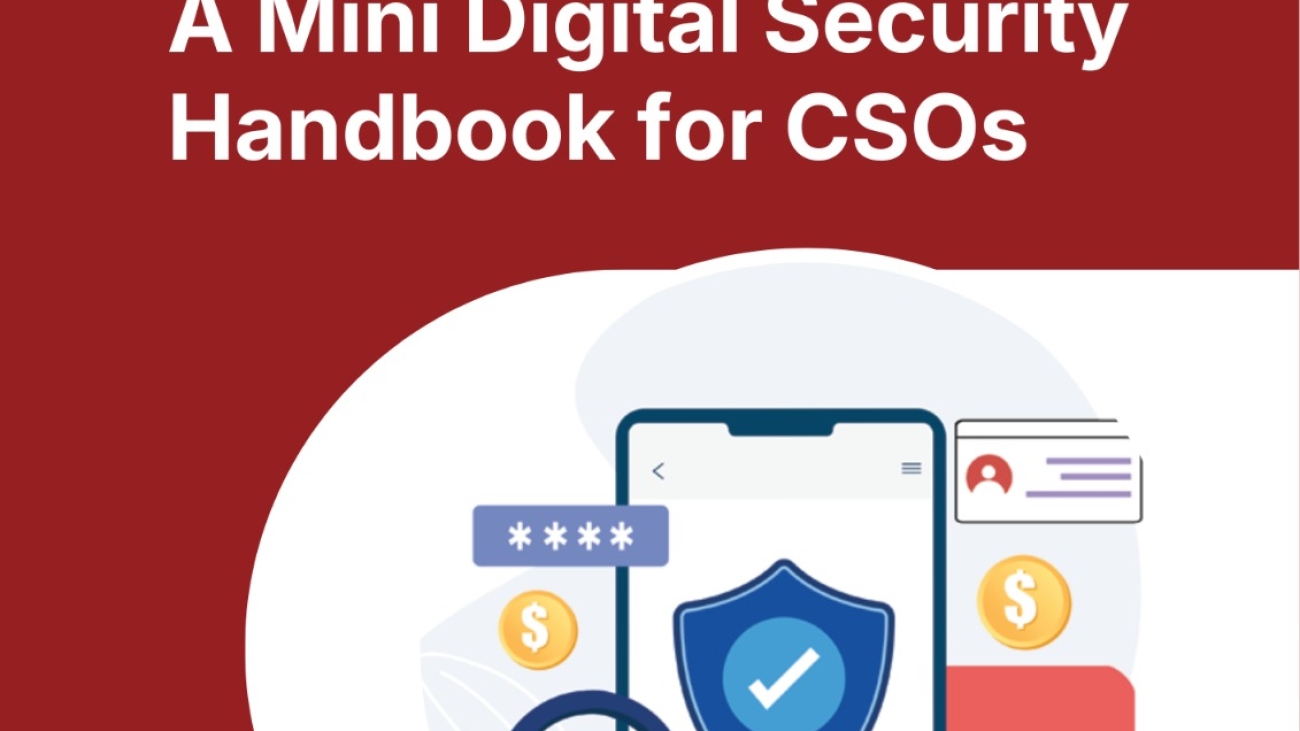
A Mini Digital Security Handbook for CSOs

In today’s rapidly evolving digital landscape, Civil Society Organizations (CSOs) face increasing risks that threaten their work, safety, and credibility. From data breaches and online harassment to targeted cyber-attacks on human rights defenders, the need for practical, accessible, and context-relevant digital protection has never been greater.

To support CSOs in strengthening their resilience, Defenders Protection Initiative (DPI) has developed the Mini Digital Security Handbook for CSOs, a simplified, action-oriented guide designed to equip teams with essential knowledge and tools for safer digital engagement. Whether you are an advocacy group, community-based organization, media house, or grassroots movement, this handbook provides clear steps you can take today to safeguard your communications, devices, data, and online presence.

This resource breaks down complex digital security concepts into easy-to-understand practices tailored to the realities of organizations working in sensitive environments. It is perfect for beginners, trainers, and teams seeking a quick but reliable reference for digital safety.

Strengthen your organization’s digital resilience.
Start your journey with the Mini Digital Security Handbook today.

The Guardians of Peace: The Crucial Role of Human Rights Defenders in Building a Peaceful World

By Noelyn Tracy Nassuuna

International Peace Day has come and gone, but the mission of building and sustaining peace continues every single day, especially for human rights defenders (HRDs) around the world. These courageous individuals are often on the front lines, advocating for justice, equality, and human dignity in the face of adversity. Their work is crucial in addressing the root causes of conflict and promoting long-lasting peace.

Holding Regulators Accountable for Data Privacy and Protection in Uganda’s NGO Sector -DPI

By Helen Namyalo Kimbugwe and Noelyn Tracy Nassuuna

As Uganda heads toward a pivotal election season, the release of sensitive financial statements for Non-Governmental Organizations (NGOs) like Chapter Four Uganda has sparked intense debate. These disclosures carry significant implications for donors, NGOs, and the public, shaping trust, transparency, and operational stability.

What does this mean for NGOs operating in Uganda, their donors, and the communities they serve? How can transparency be balanced with protection in such politically charged times?

To delve deeper into these issues, download the full article now and stay informed about the future of civil society in Uganda.

WhatsApp Image 2024-06-24 at 12.51.09

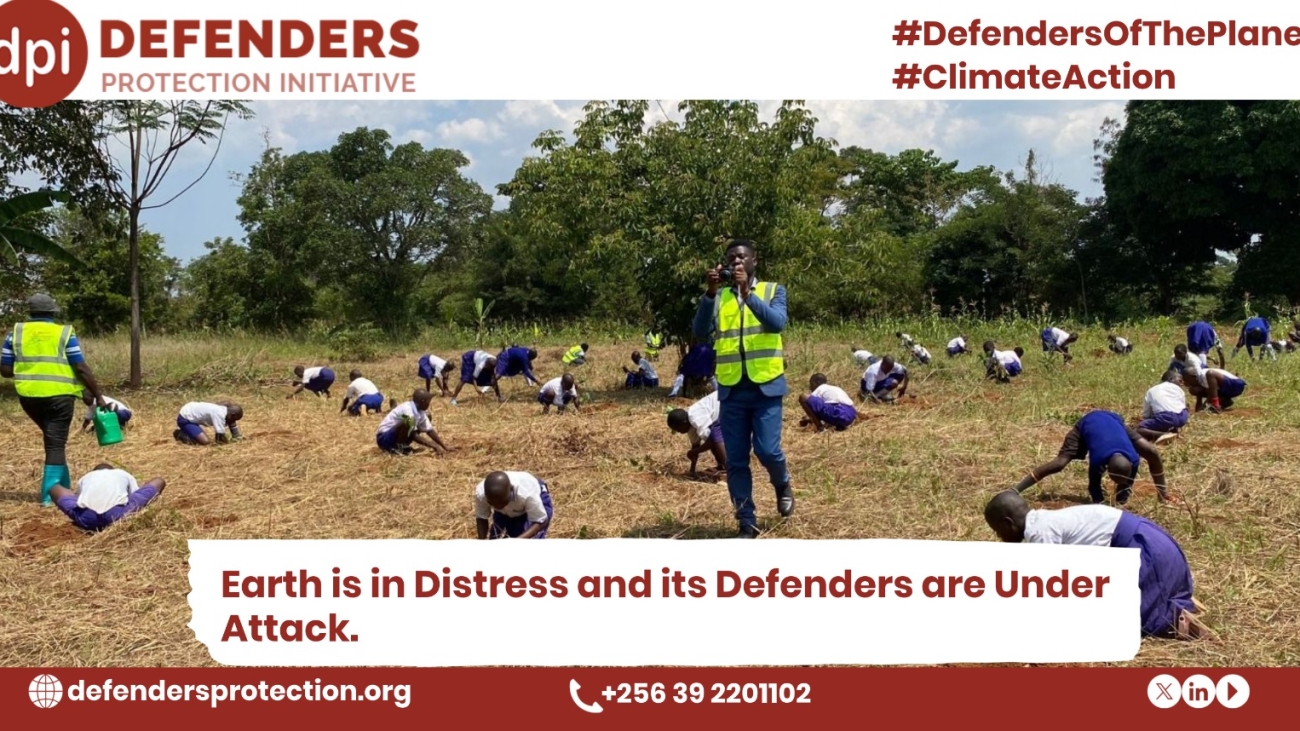
Protection of Environmental Defenders: Safeguarding Fundamental Rights and Environmental Sustainability 

Land and environmental defenders are some of the most passionate and committed people who unfortunately experience significant reprisals, as reported through our Seek Support portal. Instances of arbitrary arrests, harassment, physical attacks, and threats have hampered their work and forced many to withdraw from advocacy.

The survival of our environment and the defence of fundamental rights are interlinked with the protection of environmental advocate. Prioritising these crucial areas of protection is necessary to achieve these interconnected goals:

  1. Legal Protection: Instituting robust legal frameworks that explicitly safeguard the rights of LED proponents against discrimination, harassment, and violence. 
  2. Access to Justice: Guaranteeing access to justice for LEDs. This involves providing adequate legal resources and support to ensure that perpetrators are brought to justice.
  3. Context-Specific Responses: Recognizing the dynamic challenges faced by environmental defenders, it is crucial to tailor responses to their specific contexts and provide specialised training, resources, and protection mechanisms to address evolving threats.
  4. Inclusion in Climate Policy Formulation: Incorporating environmental protectors into the formulation of climate policies ensures that their voices are heard and their expertise is utilised. This inclusion not only strengthens policy effectiveness but also enhances the legitimacy of environmental governance.
  5. Recognition of Cultural Leaders and Custodians: Acknowledging the rights of cultural leaders and customary landowners as custodians of the land is essential. Their traditional knowledge and stewardship play a vital role in sustainable land management and conservation efforts.

Explore the diverse channels and tools of protection available to LEDs from DPI:

  • Land and Environmental Task Force (LEDTAF): A coalition of diverse organisations providing collective leverage for coordinated response mechanisms for LEDs. Services include legal aid, relocation and rapid response among others.
  • Kyotos (Fireside Chats): Community fireside chats provide a relaxed setting for dialogue, bringing together communities and relevant stakeholders to share information, mediate issues, and address grievances.
  • Digital Security and Security Management Training: To individuals and organisations to enhance operational effectiveness and ensure safety during advocacy efforts.
  • Talk to Your Regulator: Closing the awareness gap on NGO legal frameworks to improve operational efficiency and regulatory compliance for defenders and organisations in the environmental rights landscape.
2-3-1024x576

Collaborative Innovation: The Dynamic Relationship Between NGOs and Regulators

In today’s rapidly changing world, NGOs have emerged as powerful change agents, addressing social, environmental, and humanitarian issues. These organizations, driven by passion and purpose, often collaborate with regulators to navigate complex challenges and make a lasting impact. This article explores the unique angle of the collaborative relationship between NGOs and their regulators, highlighting the innovative approaches they employ to drive positive change.

1. Embracing Shared Goals:

NGOs and regulators often share common objectives, such as promoting human rights, environmental sustainability, or social justice. By aligning their goals, these entities can work hand in hand, leveraging their respective strengths to achieve meaningful outcomes. Through open dialogue and mutual understanding, NGOs and regulators can effectively create policies and frameworks that address societal needs.

2. Co-Creation of Solutions:

Innovation thrives when diverse perspectives come together. NGOs, with their grassroots knowledge and hands-on experience, bring valuable insights. Regulators, on the other hand, possess expertise in policy-making and governance. By collaborating, NGOs and regulators can co-create innovative solutions that are both practical and sustainable. This collaborative approach ensures that policies and regulations are not only effective but also rooted in real-world experiences.

3. Leveraging Technology:

Technology has become a powerful tool for NGOs and regulators in the digital age. From leveraging data analytics to enhance decision-making to utilizing social media platforms for advocacy, technology has revolutionized the way these entities operate. NGOs and regulators can harness the power of technology to streamline processes, amplify their impact, and engage with a wider audience. By embracing digital innovations, they can adapt to changing landscapes and address emerging challenges effectively.

4. Building Trust and Transparency:

Trust is the foundation of any successful collaboration. NGOs and regulators must foster an environment of trust and transparency to ensure a productive partnership. Open communication channels, regular consultations, and shared information contribute to building trust between these entities. By establishing strong relationships, NGOs and regulators can work together more effectively, creating a positive ecosystem for change.

The relationship between NGOs and regulators is a dynamic and evolving one. These entities can create a synergistic approach to address complex challenges by embracing collaboration and innovation. Through our Talk to Your Regulator program, DPI brings together NGOs and their regulators to build strategic relationships and foster a suitable and accommodating working environment.