
16 days of activism 2026_DPI

Standing Up to Online Gender-Based Violence: Building Safer Digital Spaces for Women and Girls

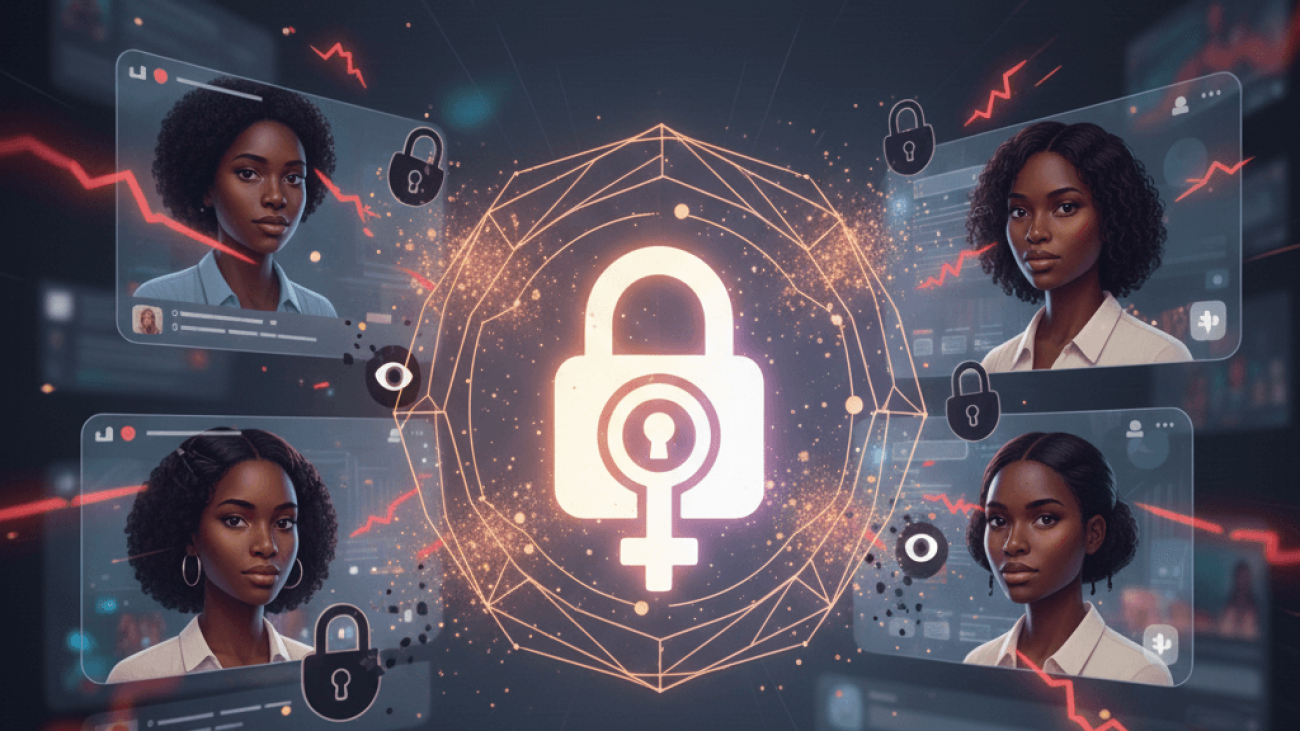
During the 16 Days of Activism, we are starkly reminded that violence against women does not begin or end offline. It follows them into their phones, their social media accounts, and every digital space where they speak, work, lead, or express themselves. In Uganda, women journalists, politicians, activists, and even students are facing a rising wave of online attacks that are not simply rude comments but deliberate efforts to silence, intimidate, and erase them from public life.

These attacks take an emotional, psychological, and professional toll. They push many into self-censorship, and some into withdrawal entirely, a process that weakens civic participation and harms democracy for everyone.

The New Digital Battlefield: Understanding Online GBV

Today, online gender-based violence (OGBV) has taken new forms that are faster, more invasive, and often anonymous. The attacks are rarely random; they are tools used to control women’s participation in leadership, public discourse, and community organizing. When a woman is silenced online, her influence in other spaces also shrinks, which affects the entire civic space.

Types of Attacks Women Commonly Face:

  • Harassment, insults, threats, and humiliating messages.
  • Doxxing, where private information is leaked to intimidate.
  • Non-consensual intimate imagery and sexualized abuse.
  • Impersonation on social media to spread misinformation or damage reputations.
  • AI-generated deepfakes targeting women in politics or media.
  • Manipulated photos and voice notes meant to scandalize or shame.
  • Targeted phishing attacks disguised as personal or work-related messages.
  • Cyberstalking and obsessive monitoring of online activity.
  • Lastly, Trolling and Coordinated Swarming: Where large groups are mobilized to overwhelm a woman’s account with abusive content, making platforms unusable.

Empowerment in Action: DPI’s Practical Safety Toolkit

Defenders Protection Initiative continues to meet women who feel overwhelmed by online harassment but are unsure where to begin or how to protect themselves. Strengthening digital safety is not just a technical process; it is an act of empowerment and resilience-building. Practical tools and safer habits can drastically reduce exposure to attacks and increase women’s confidence as they navigate digital spaces.

Useful Tools and Practices Women Can Adopt:

CategoryTool/PracticeBenefit
Secure CommunicationSignal, Proton MailSafer, encrypted communication and private email.
Password & AccessBitwarden, Two-factor authentication (Aegis, Authy, Google Authenticator)Managing strong, unique passwords and preventing unauthorized account access.
Privacy & AnonymityBrave Browser, Tor BrowserImproved anti-tracking protection and anonymity for high-risk users.
Verification & ReportingInVID, Deepstar and Reality DefenderTools for verifying deepfakes or manipulated images before spreading them.
Platform SettingsRegularly updating social media privacy settings, restricting who can tag or message you, and turning off real-time location sharing on all platforms.Taking ownership of your digital boundaries.
DocumentationTime-Stamped Evidence: Document harmful posts using screenshots and URLs, ensuring dates and times are clearly captured for legal reporting.Crucial for Legal Action: Provides the verifiable, immutable evidence needed for platform reporting, legal proceedings, and engaging with law enforcement or human rights bodies.

Responding to online abuse requires preparation and community. Beyond the tools, women should be empowered to report using platform tools, block accounts that escalate harassment, and seek support from trusted networks or institutions.

A Shared Responsibility for a Safer Digital World

Online violence thrives in silence, which is why the 16 Days of Activism is a powerful reminder that protecting women’s voices is a shared responsibility.

At DPI, we continue to provide digital security training, digital forensics, account-recovery assistance, and psychosocial referrals so that no woman has to face OGBV alone.

But the fight is bigger than us:

  • Organizations must invest in digital safety policies and provide robust HR support for targeted staff.
  • Men must actively challenge harmful online behavior and report abuse when they see it.
  • Platforms must strengthen their moderation systems and hold abusers accountable.
  • And as a community, we must make the internet a place where women feel safe enough to lead, express themselves, and participate fully.

A safer digital world is possible, but only if we work together to create it.

We urge you to share this post and commit today to challenging digital violence.
#EndDigitalGBV #16DaysOfActivism

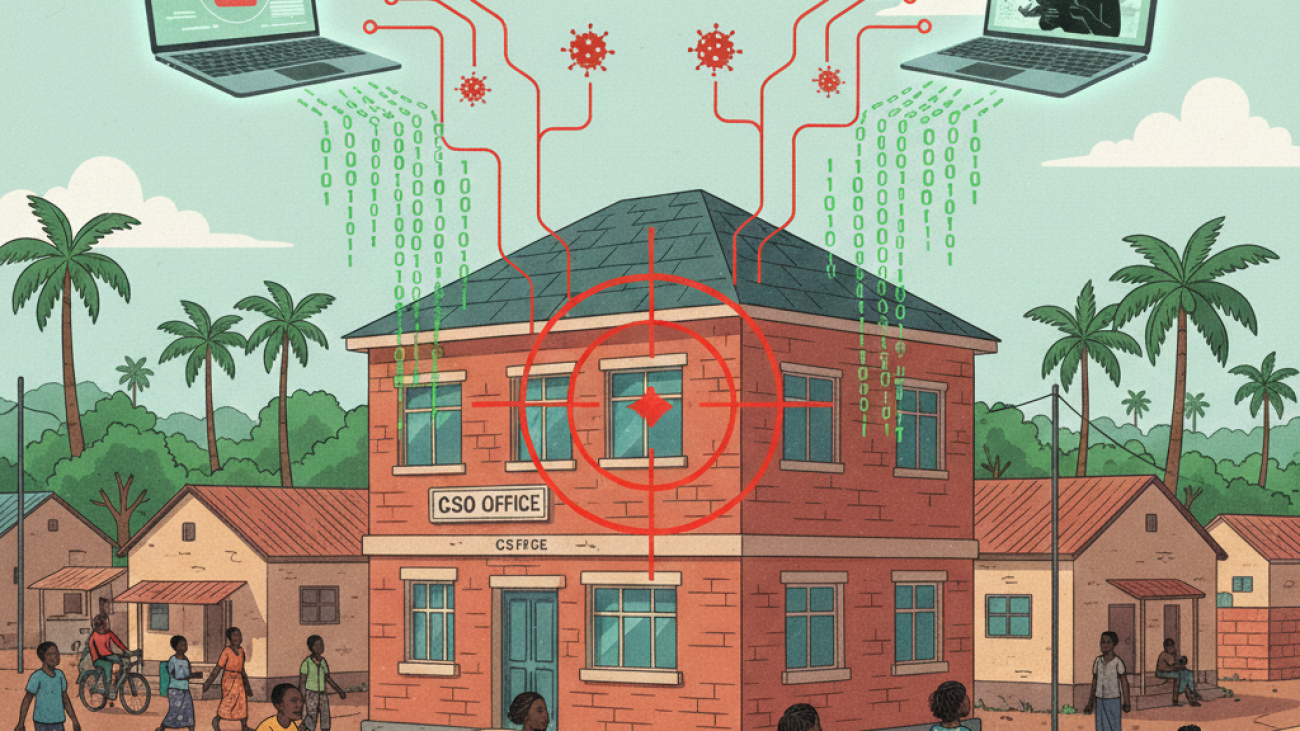
The Cyber Risk Traffic Light Game for CSOs

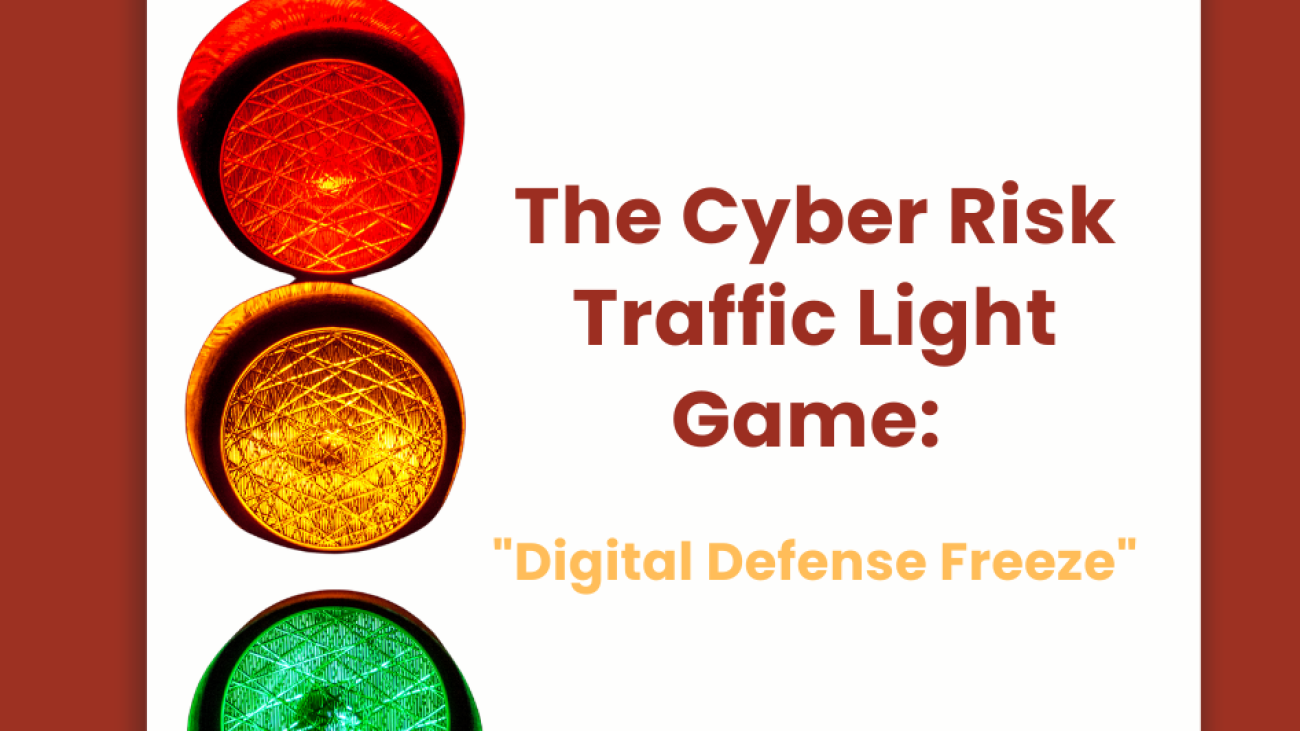
Introduction to the Cyber Risk Traffic Light Game: Digital Defense Freeze

Welcome to Digital Defense Freeze, an interactive Cyber Risk Traffic Light Game designed to sharpen rapid decision-making, strengthen teamwork, and build practical threat-analysis skills for CSOs, journalists, activists, and human rights defenders

In today’s rapidly evolving digital landscape, every online action carries some level of risk. This game helps participants practice identifying threats, debating complex scenarios, and choosing the safest path forward using the familiar Green, Amber, and Red traffic-light system.

Through realistic, high-pressure situations drawn from our civic space in Uganda, teams will think critically, argue their positions, and learn how to move from guesswork to informed security judgments.

Get ready to assess, debate, decide, and freeze when the risks spike!

WhatsApp Image 2025-10-06 at 13.04.11

From Uncertainty to Resilience: DPI at the Digital Immersion at FIFAfrica25

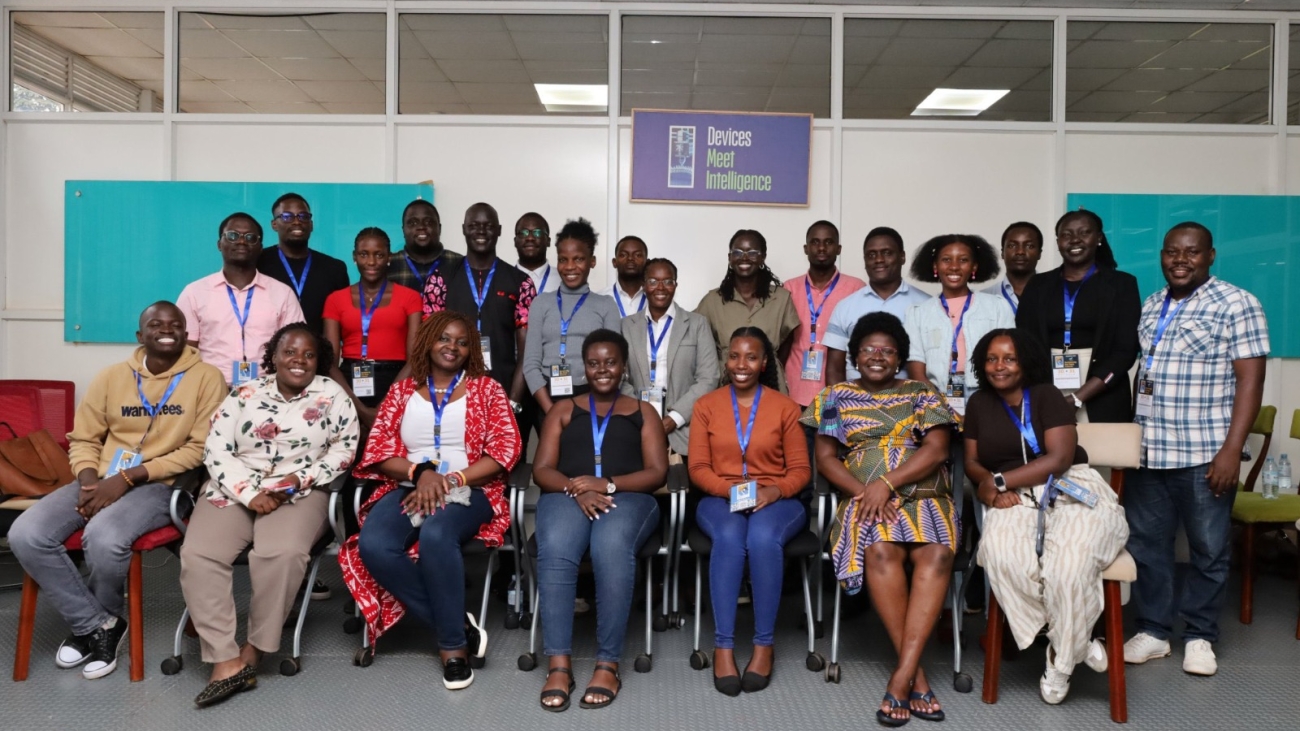
This September, Defenders Protection Initiative (DPI) proudly joined digital rights defenders, technologists, and changemakers from across Africa and beyond at #FIFAfrica25 in Windhoek, Namibia. But this wasn’t your typical conference, it was an immersive journey through the digital challenges facing human rights defenders today.

CIPESA’s Internet Freedom Maze turned abstract cybersecurity concepts into visceral, first-hand experiences. DPI was honored to take part in two critical spaces within this experience:

  • Zone 1 – The Trap of Uncertainty, and
  • The Digital Security Citadel, a live, hands-on tech corner of the exhibition.

Zone 1: Phishing, Power, and Practicality

At the heart of the maze stood Zone 1: The Trap of Uncertainty where participants were confronted with a question we all should ask more often:
“Am I truly safe online?”

DPI’s Communications Executive, Noelyn Nassuna, alongside Ogira Charles Donaldson, a member of the Digital Security Alliance hosted by DPI, led this space with thought-provoking simulations and real-time awareness-building. They guided participants through phishing simulations where QR codes led to realistic scam scenarios. It was a mirror into our digital behaviors forcing participants to pause, reflect, and often, realize they weren’t as secure as they thought.

To support learning beyond the simulation, DPI distributed custom-designed IEC materials, including ring cards with easy-to-understand security tips, tool recommendations, and practical digital hygiene reminders. These materials proved to be not just souvenirs but starter kits for better online habits.

At the Citadel: DPI’s Digital Doctors in Action

While Zone 1 tested instincts, the Digital Security Citadel gave participants tools and knowledge to strengthen those instincts.

Here, DPI’s Fred Drapari (ICT Executive) joined a team of digital security “doctors” including:

  • Gole Andrew, who impressively rode a motorcycle all the way from Uganda to Namibia in the name of digital resilience,
  • Hapee De Groot, a long-time digital security ally whose practical support and insight added great value,
  • Brian Byaruhanga from CIPESA, and
  • Several other seasoned practitioners from the Digital Security Alliance.

The Citadel offered:

  • Hands-on demos of Microsoft Office security settings
  • Guided installs and education around tools like Kaspersky antivirus, Bitdefender Security among others
  • Walkthroughs of encrypted messaging, password management, and 2FA
  • A rerun of the phishing simulation for those who missed Zone 1 or wanted to try again

It wasn’t just a tech station, it was a real-time consultation corner where participants could ask, test, fail, learn, and try again.

Building Connections Beyond the Booth

FIFAfrica25 wasn’t only about simulation and tech it was about connection and collaboration.

At both the Maze and the Citadel, DPI engaged with:

  • Funders and donor agencies interested in expanding the reach of digital protection work
  • Civic actors and journalists facing similar threats across the continent
  • Techies and tool builders contributing to the ecosystem of safe digital activism

From spontaneous hallway conversations to deeply technical Citadel demos, every interaction reinforced a shared vision: digital resilience is no longer optional – it’s essential.

What We’re Taking Home

As DPI returns home from Windhoek, we do so with renewed clarity and purpose. We plan to:

  • Expand the phishing simulation quiz into a broader campaign across civil society and media spaces
  • Print more of our IEC ring cards for wider distribution
  • Integrate new toolkits and tactics into our ongoing Digital Security Clinics and Bootcamps
  • Strengthen our collaborations with fellow Digital Security Alliance members and regional partners

FIFAfrica25 reminded us that defending the defenders is not just a slogan: it’s a strategy that requires tools, creativity, and deep community.

Want to Connect?

📸 Check out snapshots from our booth, materials, and the simulation challenge on our page:
https://twitter.com/defprotection

Let’s keep the digital resistance alive – one safe click at a time.

#FIFAfrica25 #DigitalResilience #InternetFreedom #PhishingAwareness #Zone1 #DigitalSecurityCitadel #DigitalImmersion


ChatGPT Image Jun 16, 2025, 12_24_36 PM

Travel Smart: Protecting Your Digital Privacy in East Africa’s Changing Political Landscape

By Helen Namyalo Kimbugwe and Noelyn Tracy Nassuuna

In today’s world, where our entire lives are condensed into handheld devices, the smartphone has become both an incredible tool and a significant vulnerability. For human rights defenders, journalists, and civil society actors in East Africa, the risks associated with carrying sensitive data are rapidly growing. With increasing surveillance, political repression, and data harvesting by authorities, especially across borders, your phone could expose you to threats you never imagined.

Recent developments in East Africa, particularly in Uganda, Kenya, Rwanda, and Tanzania, reflect an alarming pattern. Border officials are more frequently requesting travellers to unlock their phones. In some cases, they take the devices into another room, copy data, and return them 15 to 30 minutes later. This includes access to your photos, messages, apps, call logs, contacts, emails, and even deleted files. For many travelers, especially those involved in activism or advocacy, this kind of intrusion can lead to harassment, arrest, or worse.

Thankfully, there are digital privacy measures you can take to stay ahead. For example, if you’re using GrapheneOS on a Google Pixel device, there’s an advanced feature called “duress mode.” This allows you to set up a special PIN code that, when entered under pressure, instantly wipes your phone. On iPhones, while you don’t get the same feature, you can enable the “Erase Data” option after 10 failed attempts. It’s not as powerful, but it still adds a layer of defence.

A simple yet effective tip: Always use a six-digit passcode instead of four. If you’re worried about forgetting it, you can repeat your four-digit PIN twice—it’s still significantly more secure. Biometrics like fingerprints and face unlock should be avoided while traveling, as authorities can forcibly use them to unlock your device without your consent.

One of the most critical steps you can take is to carry a clean “travel phone.” This is a secondary device that contains only the most essential apps and information—no personal messages, photos, or documents that could be used against you or your networks. Log out of all your email, banking, and social media apps before reaching a border checkpoint. Better yet, delete them temporarily and reinstall later when safe. If you must travel with your primary phone, ensure that it is encrypted. While most modern smartphones are encrypted by default, verifying this in your device settings is important. Although disabling automatic cloud backups (e.g., Google Drive, iCloud, WhatsApp) can be inconvenient, it is a critical step for maintaining data security. Where feasible, back up your data in advance, securely wipe your device before departure, and only restore the information once you are in a trusted and secure environment.

Secure messaging apps like Signal or Briar are highly recommended. Signal offers end-to-end encrypted messages with disappearing message options. At the same time, Briar works without internet access, connecting devices over Bluetooth, a useful tool when networks are shut down or compromised. For browsing, Tor Browser and Brave can help mask your digital footprint, and VPNs like Proton VPN protect your IP and data from being intercepted.

Another lesser-known threat while travelling is using other people’s laptops, power banks, or public USB charging stations to charge your phone. A cybersecurity expert, @MG, recently shared on his X platform that it’s possible to embed malicious hardware in seemingly ordinary charging cables, allowing attackers to silently install spyware or steal data, all through a simple act of charging.

“Every time I travel, I let people charge their devices. Totally harmless. They never know who I am or what I normally do with USB cables, but maybe one day. This lady’s phone died a few minutes into a 5-hour flight. I just wanted her to enjoy her time.”

While this risk is more prevalent in high-surveillance environments or with targeted individuals, East Africa’s tightening political environment means these kinds of attacks are no longer theoretical. Always carry your own power bank and wall plug, and avoid plugging into unknown USB ports or borrowed devices.

In East Africa, it’s not just border crossings where your phone is vulnerable. Internal roadblocks, especially in Uganda, are notorious for phone checks and random inspections. Renaming your contacts with neutral identifiers (e.g., changing “Lawyer” to “Uncle Ben”) can reduce suspicion if your contact list is scrutinized. Documenting human rights violations or organizing protests should be done with tools like ObscuraCam, which can anonymize people in images and secure your data.

All of these precautions may seem extreme, but they reflect the reality of an increasingly hostile digital environment. In the wake of laws such as the Computer Misuse Act and during times of election unrest or crackdowns on civil society, having activist materials or politically sensitive content on your phone can lead to detention or deportation. Even if you’re not the direct target, your phone may contain information that puts others at risk.

This isn’t about paranoia, it’s about preparedness. Just as you wouldn’t hand your passport to a stranger, you shouldn’t let your phone become an open book to authorities or unknown devices. Your smartphone is a window into your work, identity, and community. In the wrong hands, it becomes a weapon.

As you plan your next cross-border trip, whether for a workshop, a conference, vacation, a protest, or a field visit, take these precautions seriously. Train your team, update your digital safety practices, and always assume your device may be searched.

In the end, digital security is not a luxury. It is survival. Protect your data like your passport. Because in East Africa’s shifting political terrain, your privacy may just be your best defense.

U.S. Ruling on NSO Sends Warning as Pegasus Targets Ugandan Journalists

By Noelyn Nassuuna | 8 May 2025

In a historic decision on May 6, 2025, a U.S. jury in California ordered NSO Group to pay $168 million in damages for deploying its Pegasus spyware to hack WhatsApp’s infrastructure. This unprecedented verdict—$447,719 in compensatory damages and over $167 million in punitive damages—marks the first time the notorious Israeli spyware company is held financially accountable in court for its hacking operations.

This ruling is a major victory for global digital rights defenders and a critical warning to companies enabling unlawful surveillance. For years, NSO Group’s Pegasus spyware has been linked to grave human rights violations, including the targeting of journalists, activists, and dissidents worldwide. Meta, the parent company of WhatsApp, pursued a six-year legal battle to expose these abuses and protect its users. The judgment follows a landmark January 2025 summary ruling that found NSO guilty of violating U.S. and California hacking laws and breaching WhatsApp’s Terms of Service.

“This verdict sends a clear message to spyware companies that targeting people through U.S.-based platforms will come with a high price,” said Michael De Dora, U.S. Policy and Advocacy Manager at Access Now.

But while the courtroom victory occurred in the United States, its impact reverberates far beyond. Just days before the judgment, Ugandan investigative journalist Canary Mugume took to X (formerly Twitter) to reveal that Pegasus spyware had attempted to infiltrate his device. His post sent shockwaves through Uganda’s media and civil society sectors, especially as the nation edges closer to its 2026 general elections.

This is not the first time Pegasus has been used to target journalists globally. In Uganda, such incidents signal a chilling escalation in the digital threats facing the press. The implications are grave: surveillance software like Pegasus doesn’t just spy on individuals—it compromises entire newsrooms, sources, and the right to information.

“Apple sent this notification to me indicating that I am being targeted by a mercenary spyware. Most of these are used by Governments to hack into phones of journalists, high-profile figures and activists. They last sent this in 2021, there’s a pattern – electoral season.”

In past years, several journalists and human rights defenders in Uganda have reported suspicious digital intrusions, but rarely with hard evidence pointing to a tool as sophisticated and invasive as Pegasus. The spyware is known for its ability to silently infiltrate phones, access messages, camera, microphone, and more—all without the user’s knowledge.

At Defenders Protection Initiative (DPI), we continue to raise alarm and awareness over the growing use of surveillance technologies to intimidate, silence, or endanger the work of journalists, activists, and civil society organizations. The risks are particularly heightened during politically sensitive periods such as elections, where access to reliable information and protection of press freedom are critical for democratic integrity.

The recent U.S. court ruling is a reminder: accountability is possible. It is also a call to action for governments, tech companies, and civil society in Uganda and across Africa to:

  • Strengthen digital security protocols for journalists and human rights defenders
  • Demand transparency and oversight over surveillance technologies
  • Challenge spyware vendors through legal, policy, and public channels

We stand in solidarity with journalists like Canary Mugume and urge all media professionals to report digital threats and seek expert support. DPI remains committed to supporting journalists and human rights defenders through digital security trainings, emergency response, and legal support.

As elections approach, the protection of digital rights is not just a tech issue—it is a human rights imperative.

card with security tips holder WEB (3).pdf

Introduction to Our Digital Security Tips Ring Cards

Staying safe online shouldn’t be complicated. That’s why we created the Digital Security Ring Cards, a compact, easy-to-use tool designed to help individuals and teams quickly access essential digital safety tips anytime, anywhere.

These ring cards simplify critical digital security practices into short, practical reminders you can flip through on the go. Whether you’re a human rights defender, journalist, student, activist, or part of a CSO, the ring cards offer daily guidance to help you protect your devices, accounts, data, and online presence.

Each card is intentionally crafted with clear language, actionable steps, and real-world relevance, making digital security approachable for beginners and useful even for experienced users. Perfect for trainings, workshops, office desks, fieldwork kits, and personal use, the ring cards act as your pocket-sized security companion.

Empower yourself with knowledge.
Carry digital safety with you, one card at a time.

WhatsApp Image 2025-11-20 at 13.13.36

A Mini Digital Security Handbook for CSOs

In today’s rapidly evolving digital landscape, Civil Society Organizations (CSOs) face increasing risks that threaten their work, safety, and credibility. From data breaches and online harassment to targeted cyber-attacks on human rights defenders, the need for practical, accessible, and context-relevant digital protection has never been greater.

To support CSOs in strengthening their resilience, Defenders Protection Initiative (DPI) has developed the Mini Digital Security Handbook for CSOs, a simplified, action-oriented guide designed to equip teams with essential knowledge and tools for safer digital engagement. Whether you are an advocacy group, community-based organization, media house, or grassroots movement, this handbook provides clear steps you can take today to safeguard your communications, devices, data, and online presence.

This resource breaks down complex digital security concepts into easy-to-understand practices tailored to the realities of organizations working in sensitive environments. It is perfect for beginners, trainers, and teams seeking a quick but reliable reference for digital safety.

Strengthen your organization’s digital resilience.
Start your journey with the Mini Digital Security Handbook today.

1697312026600

Investing in Women’s Safety and Security

We hope you were celebrated or honored by the women in your life, and we encourage you to continue this appreciation beyond Women’s Day.

Speaking of Women’s Day, this year’s theme, “Invest in Women: Accelerate Progress,” underscores the critical need for increased financing in gender equality efforts, including funding gender-responsive, green energy initiatives, and support for female and feminist changemakers.

These challenges notwithstanding, as experts in the fields of security, safety, and human rights, we have witnessed firsthand how the unique security risks and threats faced by women impede progress not only toward achieving equity but also in improving their overall quality of life.

Here are four impactful ways in which we can invest in women to accelerate progress through enhanced security and safety measures.

Enhancing  Responsiveness of Security and Justice Institutions 

According to a 2020 Violence Against Women and Girls Survey (VAWG) conducted by UBOS, a staggering 95% of women surveyed reported experiencing physical and sexual violence. Shockingly, only 45% of those who had experienced intimate partner physical and sexual violence chose to report it, primarily due to a deep-seated mistrust in the judicial system.

Despite efforts such as the establishment of Gender-Based Violence help desks by Uganda Police, significant gaps remain in addressing these issues effectively. There is an urgent need to bolster the responsiveness of law enforcement and judicial institutions in apprehending and prosecuting perpetrators. Strengthening these mechanisms is crucial in not only delivering justice to survivors but also contributing significantly to deterring future occurrences.

GBV Toll Free Helpline 0800199195

Support, NOT Survivor Blaming

The UBOS survey also revealed that the other reasons why women opted not to report physical/sexual abuse were fear of being blamed for the incidents and the threat of continued abuse or worse consequences by their abusers if they spoke up.

In light of these distressing findings, it is clear that women who have endured abuse and violations, need tools and assistance to cope, recover, and pursue justice, to help them navigate these harrowing experiences and gradually rebuild a sense of safety and stability in their lives. This can be informed by psychosocial support or training in basic self-defense skills among others.

Equipping Women with Knowledge and Skills to Navigate the Evolving Digital Landscape

In today’s rapidly evolving digital world, it’s crucial to empower women with the necessary knowledge and skills to navigate cyberspaces safely. This includes providing them with the tools to prevent, recognize, and respond to cyber-attacks effectively. Explore our website for digital security support options/offerings.

As more aspects of our lives move online, women are increasingly vulnerable to various forms of digital abuse, including hacking, cyberbullying, harassment, and online stalking. By skilling women in cybersecurity and digital safety, we can empower women to protect themselves against such threats and confidently engage in online activities.

Investing in Gender-Inclusive Tech for Safety and Security 

By allocating resources toward the creation and refinement of tech tools tailored to women’s needs, we can address existing safety concerns and foster a more inclusive digital environment. 

Here are a few we like; digitalsafetea.com safebangle.org bitdefender.com 

Screenshot 2024-03-12 at 12.06.51

Child/Teen Online Safety Tips and Tools

More children and teenagers are actively engaging with the internet, and this trend is expected to persist. However, the online environment hasn’t always been tailored to cater to the needs of minors. Therefore, it is crucial to prioritise their safety. In honour of Safer Internet Month, here are some essential tips and tools parents, educators, and even the young netizens can use to guarantee online safety.