2nd

Harnessing the Potential of Collaboration and Partnerships for Social Impact

The significance of partnerships and collaborative efforts in advancing the goals and activities of civil society has become more evident than ever before. This month, we take a moment to reflect on the profound impact of collaboration and partnership in advancing our mandate.


Fostering Knowledge Exchange
In collaboration with the Civic Advisory Hub and the NPO Coalition on FATF – East and Southern Africa Chapter, we took a significant step forward in advocacy efforts for the adoption of a risk-based approach to the monitoring and legislation of NPOs in the context of countering terrorism financing.


During a successful webinar titled “Understanding NPO Risk Assessment on Terrorism Financing,” NPO leaders from the region shared their experiences, lessons learned, and criteria for NPO risk assessment working groups. Together, we explored the critical role that NGOs play in these assessments and discussed the essential qualities required for effective participation.


Empowering Communities through Digital Security: Our #RoadToFIFAfrica Journey
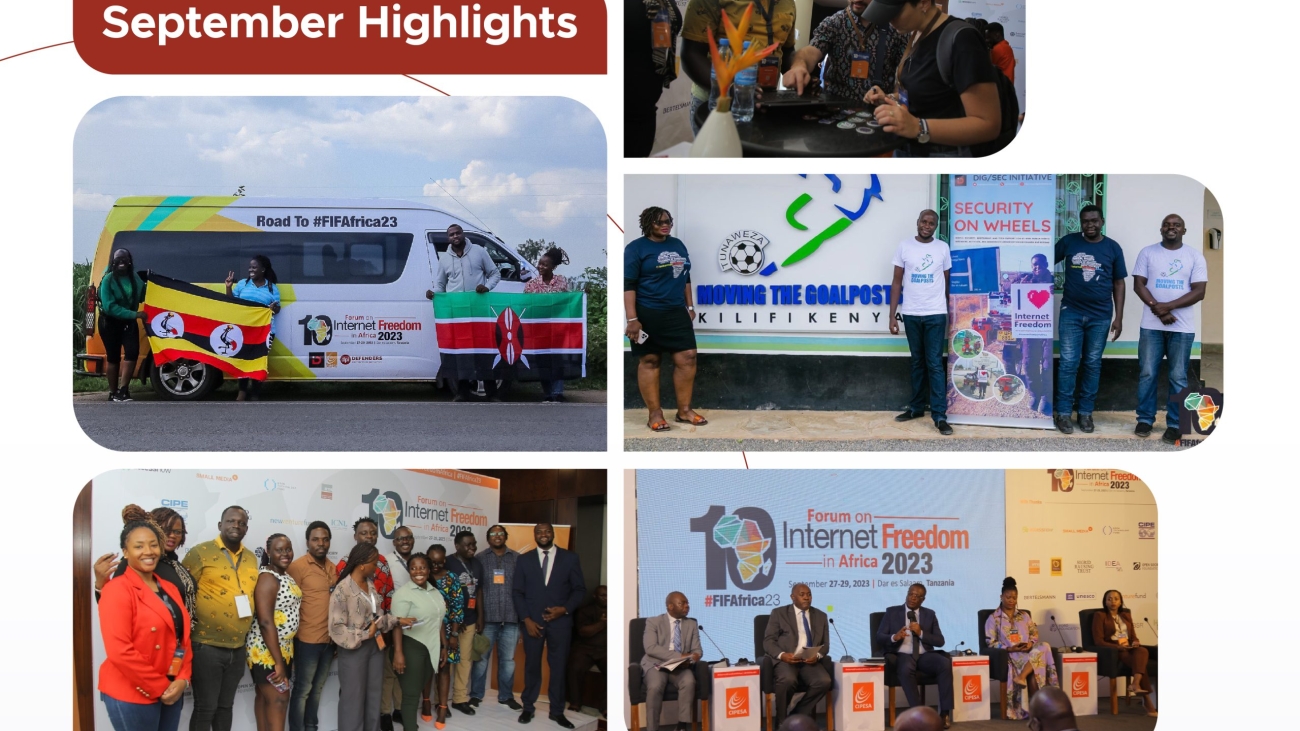
We embarked on an exhilarating regional campaign known as #RoadToFIFAfrica, spanning from Kampala to Nairobi, Mombasa, and culminating in Dar es Salaam. Throughout this journey, we actively connected with local communities, students, CBOs, and NGOs to address the vital topic of digital security. Our mission was clear: to equip individuals and organizations with essential digital security skills, provide them with valuable tools and knowledge, and empower them to navigate the digital world safely and confidently.


Championing Internet Freedom at FIFAfrica23
With support from CIPESA Uganda and in collaboration with Encrypt Uganda, and HRD Andrew Gole, our commitment to digital security extended to Africa’s largest gathering on Internet freedom, the Forum for Internet Freedom in Africa (#FIFAfrica23). Through the Digital Security Alliance, we extended digital security support to some of the brightest minds in Africa and worldwide, fueling their tireless efforts to safeguard internet freedom both on the continent and globally.


Multi-Sector Support and Collaboration
In addition to these dynamic initiatives, we maintain active engagement with key government ministries and agencies including the Financial Intelligence Authority (FIA) and the National Information Technology Authority (NITA-U) among others.


Our objective is to provide valuable sector insights and foster collaboration to create an enabling and supportive environment for Human Rights Defenders(HRDs) and activists. Through our regional “Talk To Your Regulator” sessions, we aim to strike a delicate balance between fostering compliance and preventing excessive regulation. We achieve this by creating awareness among NGOs about their legal compliance requirements and responsibilities while also engaging regulators on the unintended consequences that overly restrictive regulations can have on the sector. Our ultimate goal is to ensure that members of civil society can effectively fulfill their missions. This month’s engagement took place in Hoima, marking another milestone in this ongoing effort.


Suffice it to say that our journey this month underscores the power of collaboration and partnerships in driving transformative change and fostering social impact. Here’s to more partnerships and collaborations ahead.
Uganda-martyrs

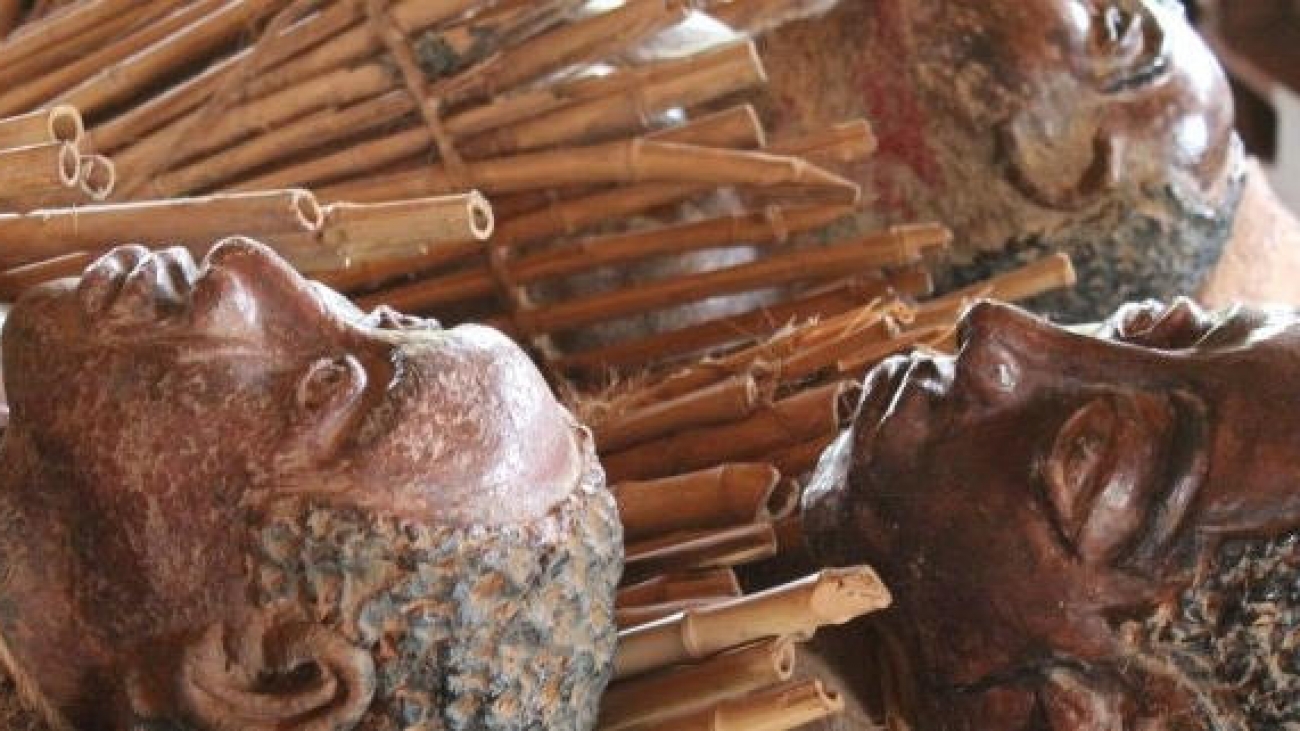
Uganda Martyrs’ death as a subject to the violation of Human rights.

 As we take the break to remember and mourn for the Uganda martyrs who died due to the violation of their religious rights, we wanted to take a moment today to think of those who are still struggling for their religious rights as workers, and to speak about some of the exploitation that is sadly still prevalent across the world. 

Improving rights around the world is central to our mission of preventing violation of human rights in the working environment. We work with major corporations and organizations to help them understand where there might be risk of religious rights violation in their work places and to identify the tell-tale signs of other various forms of human rights violation . We run campaigns around the globe which seek to raise awareness of different forms of human rights violation, and to help those who may be victims of this violation know their rights and seek support where necessary.  

Ultimately, we seek to encourage people to #SpotTheSigns of violation, speak openly about its realities and report suspicious activity when they see it.  

Human-rights

10 Reasons Why Human Rights Are Important

Defenders Protection Initiative (DPI) is global organization comprising of many corporations in unity with people who take injustice and violations of human rights as an offense. We are  well known for employing research, advocacy, action and campaigns to fight against abuses of human rights around the world. One of the ways our organization fights against injustice is through informing the public. DPI covers a broad spectrum of issues from women’s rights and political freedoms to regional and global conflicts. We also offer digital security.

Below are some of the top reason why Human Rights Are Important.

#1: Human rights ensure people have basic needs met

Everyone needs access to medicine, food and water, clothes, and shelter. By including these in a person’s basic human rights, everyone has a baseline level of dignity. Unfortunately, there are still millions of people out there who don’t have these necessities, but saying it’s a matter of human rights allows activists and others to work towards getting those for everyone.

#2: Human rights protect vulnerable groups from abuse

The Declaration of Human Rights was created largely because of the Holocaust and the horrors of work load limit. During that time in history, the most vulnerable in society were targeted along with the population, including those with disabilities.

#3: Human rights allow people to stand up to societal corruption

The concept of human rights allows people to speak up when they experience abuse and corruption. This is why specific rights like the right to assemble are so crucial because no society is perfect. The concept of human rights empowers people and tells them that they deserve dignity from society, whether it’s the government or their work environment. When they don’t receive it, they can stand up.

#4: Human rights encourage freedom of speech and expression

While similar to what you just read above, being able to speak freely without fear of brutal reprisal is more expansive. It encompasses ideas and forms of expression that not everybody will like or agree with, but no one should ever feel like they are going to be in danger from their government because of what they think. It goes both ways, too, and protects people who want to debate or argue with certain ideas expressed in their society.

#5: Human rights give people the freedom to practice their religion (or not practice any)

Religious violence and oppression occur over and over again all across history, from the Crusades to the Holocaust to modern terrorism in the name of religion. Human rights acknowledges the importance of a person’s religion and spiritual beliefs, and lets them practice in peace. The freedom to not hold to a religion is also a human right.

#6: Human rights allows people to love who they choose

The importance of freedom to love cannot be understated. Being able to choose what one’s romantic life looks like is an essential human right. The consequences of not protecting this right are clear when you look at countries and tribes where where women are forced into marriages they don’t want.

#7: Human rights encourage equal work opportunities

The right to work and make a living allows people to flourish in their society. Without acknowledging that the work environment can be biased or downright oppressive, people find themselves enduring abuse or insufficient opportunities. The concept of human rights provides a guide for how workers should be treated and encourages equality.

#8: Human rights give people access to education

Education is important for so many reasons and is crucial for societies where poverty is common. Organizations and governments concerned with human rights provide access to schooling, supplies, and more in order to halt the cycle of poverty. Seeing education as a right means everyone can get access, not just the elite.

#9: Human rights protect the environment

The marriage between human rights and environmentalism is becoming stronger due to climate change and the effects it has on people. We live in the world, we need the land, so it makes sense that what happens to the environment impacts humanity. The right to clean air, clean soil, and clean water are all as important as the other rights included in this list.

#10: Human rights provide a universal standard that holds governments accountable

When the Universal Declaration of Human rights was released, it had a two-fold purpose: provide a guideline for the future and force the world to acknowledge that. Human rights had been violated on a massive scale. With a standard for what is a human right, governments can be held accountable for their actions. There’s power in naming an injustice and pointing to a precedent, which makes the Universal Declaration of Human Rights and other human rights documents so important.

Cybersecurity, secure passwords and site registration. Computer and smartphone protection by antivirus software. People with a lock, key, gear. Devices screens.  Vector flat. (Cybersecurity, secure passwords and site registration. Computer and smartph

Safeguarding Human Rights Defenders during COVID-19

A Strategic Emergency Response Initiative seeking to establish and coordinate a joint mechanism that offers effective emergency response solutions to the dynamic and complex HRDs security needs associated with the working environment in Uganda, especially during this COVID-19 Pandemic.

Cognizant that Uganda has registered some progress in managing the situation and infection rate, these achievements have not gone without a challenge. The majority of non-governmental organizations have had to adapt to the new normal of working from home according to the respective guidelines. Therefore, our civic effort to push back against human rights violations has been curtailed since all attempts to support affected HRDs, activists, and non-governmental organizations have been stifled by the hostile civic space’s attendant elements.

HRDs and individual activists who speak truth to power during this Pandemic are highly susceptible to physical and digital security attacks. These attacks include but are not limited to intimidation, arrest, torture, killings, withdrawal of operation license, defamation, freezing of bank accounts, office closure, computer and network surveillance, office break-ins, theft and confiscation of digital equipment, loss of information, denial of service attacks and internet censorship.

Despite such hostilities, there is a lack of an inclusive, well-coordinated, sustainable and effective emergency response system geared at security, safety, and protection of the HRDs/groups and the allies during this period. Albeit the availability of the several organizations and entities that support HRDs in such instances, a reasonable number of democracy activists within and out of the capital city have on various forums referred to the available emergence response system as ineffective, unsustainable, inaccessible, individualistic, to mention but a few.

We strongly believe that the current and post-pandemic period will require response through concerted effort. Thus, it is imperative to take stock of partner organizations’ possible roles as strategies for responding to any emerging issues.