WhatsApp Image 2025-12-10 at 13.18.41

Supporting Safer Digital Participation at DataFest Africa 2025: Our Clinic and Masterclass in Action

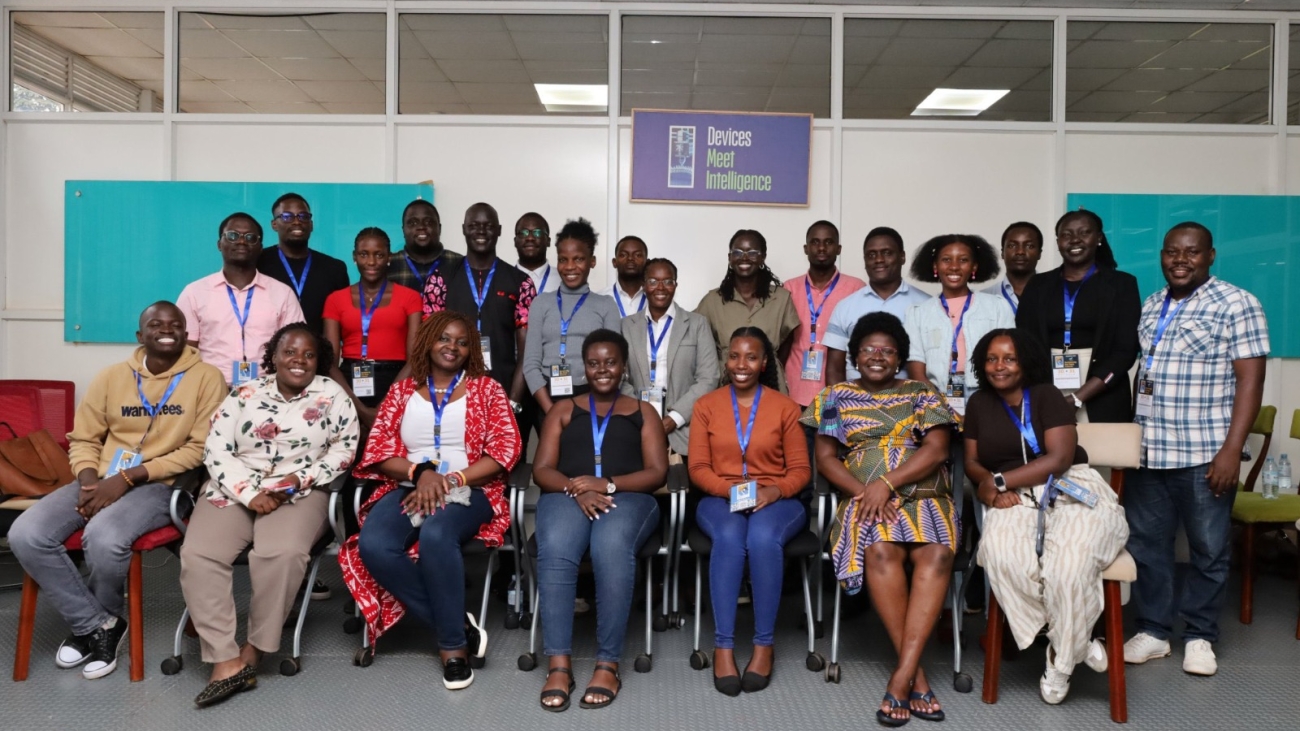
In October 2025, our team had the honor of participating in DataFest Africa 2025, organised by Pollicy, one of the continent’s leading convenings on data, technology, and innovation. As part of this vibrant gathering of technologists, researchers, civil society actors, policymakers, and creatives, we hosted a Digital Security Clinic, offering on-site support, guidance, and practical tools to participants navigating today’s fast-evolving digital landscape.

Why the Clinic Mattered

As digital spaces continue to expand across Africa, so do the risks that come with them including data misuse, online harassment, cyberstalking, image-based abuse, misinformation, account takeovers, and digital surveillance. For many activists, journalists, developers, and young innovators attending DataFest, these threats are not abstract; they are lived realities that affect their work, mental well-being, and personal safety.

Our clinic was designed as a safe, confidential, and responsive support space where participants could:

  • Seek one-on-one guidance on digital security and privacy
  • Report or discuss technology-facilitated gender-based violence
  • Get support on securing devices, accounts, and data
  • Receive mental health referrals and psychosocial first support after online abuse
  • Learn practical safety strategies for their work and activism

What We Offered on the Ground

Throughout the festival, our team provided:

  • Personalized digital risk assessments
  • Guidance on strong passwords, two-factor authentication, and safe browsing
  • Support on responding to online harassment, doxxing, and impersonation
  • Advice on safe content creation and data protection
  • Offered updated and genuine software like antivirus, MS Office, MS Word
  • Referral to trusted psychosocial and legal response partners where needed

Participants included women in tech, youth innovators, journalists, human rights defenders, researchers, and community organizers, many of whom were encountering structured digital safety support for the first time.

Key Reflections from the Clinic

Several key themes emerged from our engagement:

  • Online harm is deeply connected to offline safety, livelihoods, and mental health.
  • Many participants had experienced harassment, impersonation, or extortion but had never received professional support.
  • There is a strong demand for localized, continuous digital safety clinics, not just one-off trainings.
  • Women and young people remain disproportionately impacted by online violence and data misuse.

Building Resilient Digital Communities

Our presence at DataFest Africa 2025 reaffirmed the urgent need to move beyond awareness-raising alone. Safety must be practical, accessible, survivor-centered, and embedded into innovation spaces. Digital rights, data protection, and online wellbeing are not optional add-ons; they are essential foundations for meaningful participation in the digital economy.

By hosting this clinic, we demonstrated that large tech and data convenings can and should integrate real-time protection and support mechanisms alongside conversations on innovation, AI, governance, and development.

Masterclass: Shaping Youth Futures Through Digital Ownership

In addition to the digital safety clinic, we hosted a featured masterclass titled “Shaping Youth Futures Through Digital Ownership” at the National ICT Innovation Hub, Nakawa. The session brought together young people, innovators, and ecosystem actors to explore how digital ownership can unlock opportunity, protection, and economic independence for African youth. Participants engaged deeply with what digital ownership truly means in today’s platform-dominated economy, emphasizing the importance of owning data, digital skills, content, and platforms as a foundation for sustainable digital participation.

The masterclass examined how young people can transition from being passive digital consumers to empowered digital creators and owners, while critically reflecting on the risks of digital exploitation, platform dependence, and unsafe monetization. It further highlighted the role of policy, infrastructure, and community networks in protecting young digital entrepreneurs. The session was co-led by Noelyn Nassuuna, Raymond Amumpaire, and Owilla Abiro Mercy, who collectively challenged participants to think beyond access toward control, agency, safety, and sustainability in the digital economy.

Looking Ahead

Following DataFest Africa 2025, we are strengthening our:

  • Mobile digital safety clinics
  • Survivor-centered referral pathways
  • Youth and women-focused digital resilience programming
  • Partnerships with tech platforms, mental health professionals, and legal responders

We remain committed to ensuring that no one has to choose between visibility and safety, innovation and wellbeing, or participation and protection in digital spaces.
Holding Regulators Accountable for Data Privacy and Protection in Uganda’s NGO Sector -DPI

By Helen Namyalo Kimbugwe and Noelyn Tracy Nassuuna

As Uganda heads toward a pivotal election season, the release of sensitive financial statements for Non-Governmental Organizations (NGOs) like Chapter Four Uganda has sparked intense debate. These disclosures carry significant implications for donors, NGOs, and the public, shaping trust, transparency, and operational stability.

What does this mean for NGOs operating in Uganda, their donors, and the communities they serve? How can transparency be balanced with protection in such politically charged times?

To delve deeper into these issues, download the full article now and stay informed about the future of civil society in Uganda.

2-3-1024x576

Collaborative Innovation: The Dynamic Relationship Between NGOs and Regulators

In today’s rapidly changing world, NGOs have emerged as powerful change agents, addressing social, environmental, and humanitarian issues. These organizations, driven by passion and purpose, often collaborate with regulators to navigate complex challenges and make a lasting impact. This article explores the unique angle of the collaborative relationship between NGOs and their regulators, highlighting the innovative approaches they employ to drive positive change.

1. Embracing Shared Goals:

NGOs and regulators often share common objectives, such as promoting human rights, environmental sustainability, or social justice. By aligning their goals, these entities can work hand in hand, leveraging their respective strengths to achieve meaningful outcomes. Through open dialogue and mutual understanding, NGOs and regulators can effectively create policies and frameworks that address societal needs.

2. Co-Creation of Solutions:

Innovation thrives when diverse perspectives come together. NGOs, with their grassroots knowledge and hands-on experience, bring valuable insights. Regulators, on the other hand, possess expertise in policy-making and governance. By collaborating, NGOs and regulators can co-create innovative solutions that are both practical and sustainable. This collaborative approach ensures that policies and regulations are not only effective but also rooted in real-world experiences.

3. Leveraging Technology:

Technology has become a powerful tool for NGOs and regulators in the digital age. From leveraging data analytics to enhance decision-making to utilizing social media platforms for advocacy, technology has revolutionized the way these entities operate. NGOs and regulators can harness the power of technology to streamline processes, amplify their impact, and engage with a wider audience. By embracing digital innovations, they can adapt to changing landscapes and address emerging challenges effectively.

4. Building Trust and Transparency:

Trust is the foundation of any successful collaboration. NGOs and regulators must foster an environment of trust and transparency to ensure a productive partnership. Open communication channels, regular consultations, and shared information contribute to building trust between these entities. By establishing strong relationships, NGOs and regulators can work together more effectively, creating a positive ecosystem for change.

The relationship between NGOs and regulators is a dynamic and evolving one. These entities can create a synergistic approach to address complex challenges by embracing collaboration and innovation. Through our Talk to Your Regulator program, DPI brings together NGOs and their regulators to build strategic relationships and foster a suitable and accommodating working environment.

2nd

Harnessing the Potential of Collaboration and Partnerships for Social Impact

The significance of partnerships and collaborative efforts in advancing the goals and activities of civil society has become more evident than ever before. This month, we take a moment to reflect on the profound impact of collaboration and partnership in advancing our mandate.


Fostering Knowledge Exchange
In collaboration with the Civic Advisory Hub and the NPO Coalition on FATF – East and Southern Africa Chapter, we took a significant step forward in advocacy efforts for the adoption of a risk-based approach to the monitoring and legislation of NPOs in the context of countering terrorism financing.


During a successful webinar titled “Understanding NPO Risk Assessment on Terrorism Financing,” NPO leaders from the region shared their experiences, lessons learned, and criteria for NPO risk assessment working groups. Together, we explored the critical role that NGOs play in these assessments and discussed the essential qualities required for effective participation.


Empowering Communities through Digital Security: Our #RoadToFIFAfrica Journey
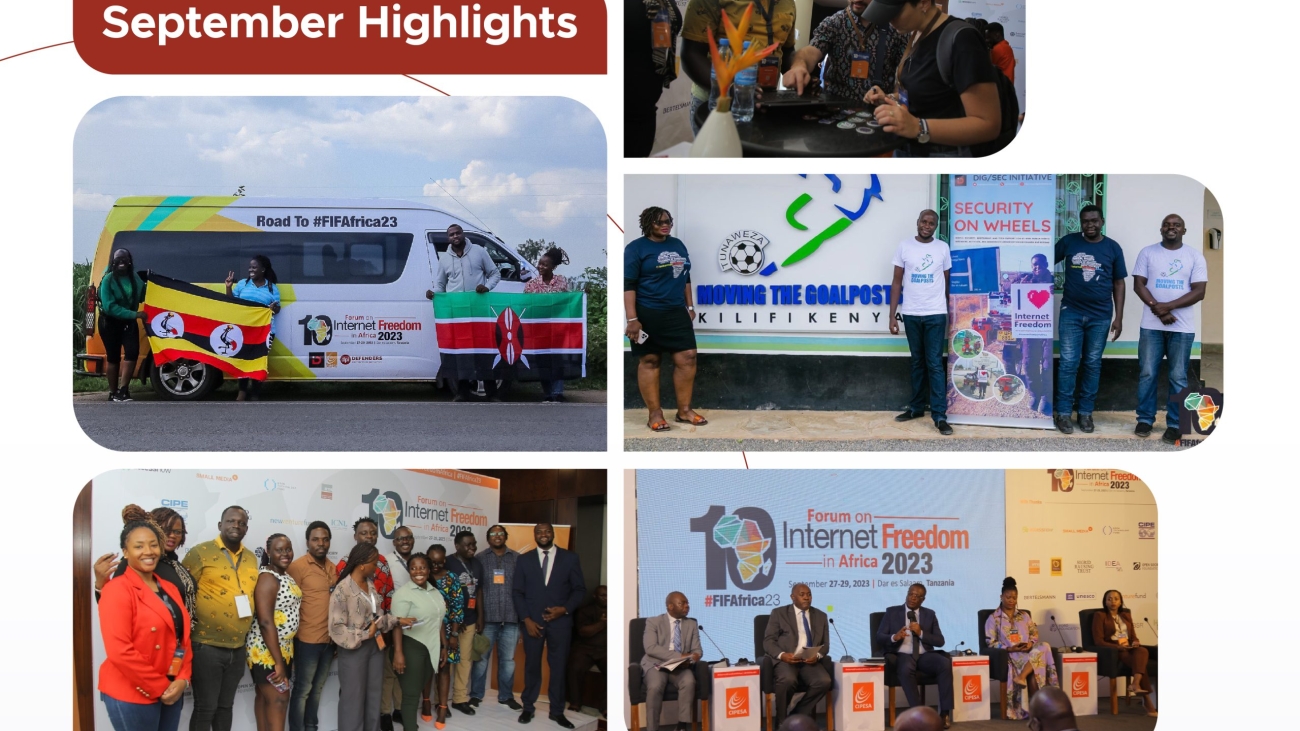
We embarked on an exhilarating regional campaign known as #RoadToFIFAfrica, spanning from Kampala to Nairobi, Mombasa, and culminating in Dar es Salaam. Throughout this journey, we actively connected with local communities, students, CBOs, and NGOs to address the vital topic of digital security. Our mission was clear: to equip individuals and organizations with essential digital security skills, provide them with valuable tools and knowledge, and empower them to navigate the digital world safely and confidently.


Championing Internet Freedom at FIFAfrica23
With support from CIPESA Uganda and in collaboration with Encrypt Uganda, and HRD Andrew Gole, our commitment to digital security extended to Africa’s largest gathering on Internet freedom, the Forum for Internet Freedom in Africa (#FIFAfrica23). Through the Digital Security Alliance, we extended digital security support to some of the brightest minds in Africa and worldwide, fueling their tireless efforts to safeguard internet freedom both on the continent and globally.


Multi-Sector Support and Collaboration
In addition to these dynamic initiatives, we maintain active engagement with key government ministries and agencies including the Financial Intelligence Authority (FIA) and the National Information Technology Authority (NITA-U) among others.


Our objective is to provide valuable sector insights and foster collaboration to create an enabling and supportive environment for Human Rights Defenders(HRDs) and activists. Through our regional “Talk To Your Regulator” sessions, we aim to strike a delicate balance between fostering compliance and preventing excessive regulation. We achieve this by creating awareness among NGOs about their legal compliance requirements and responsibilities while also engaging regulators on the unintended consequences that overly restrictive regulations can have on the sector. Our ultimate goal is to ensure that members of civil society can effectively fulfill their missions. This month’s engagement took place in Hoima, marking another milestone in this ongoing effort.


Suffice it to say that our journey this month underscores the power of collaboration and partnerships in driving transformative change and fostering social impact. Here’s to more partnerships and collaborations ahead.

screenshot

Human Rights Defenders Protection Bill

Policy & Principles of the Bill
The Policy of the Bill is to provide a framework for the recognition and protection of the work and activities of Human rights defenders in order to guarantee a safe and enabling environment for human rights defenders to freely operate.
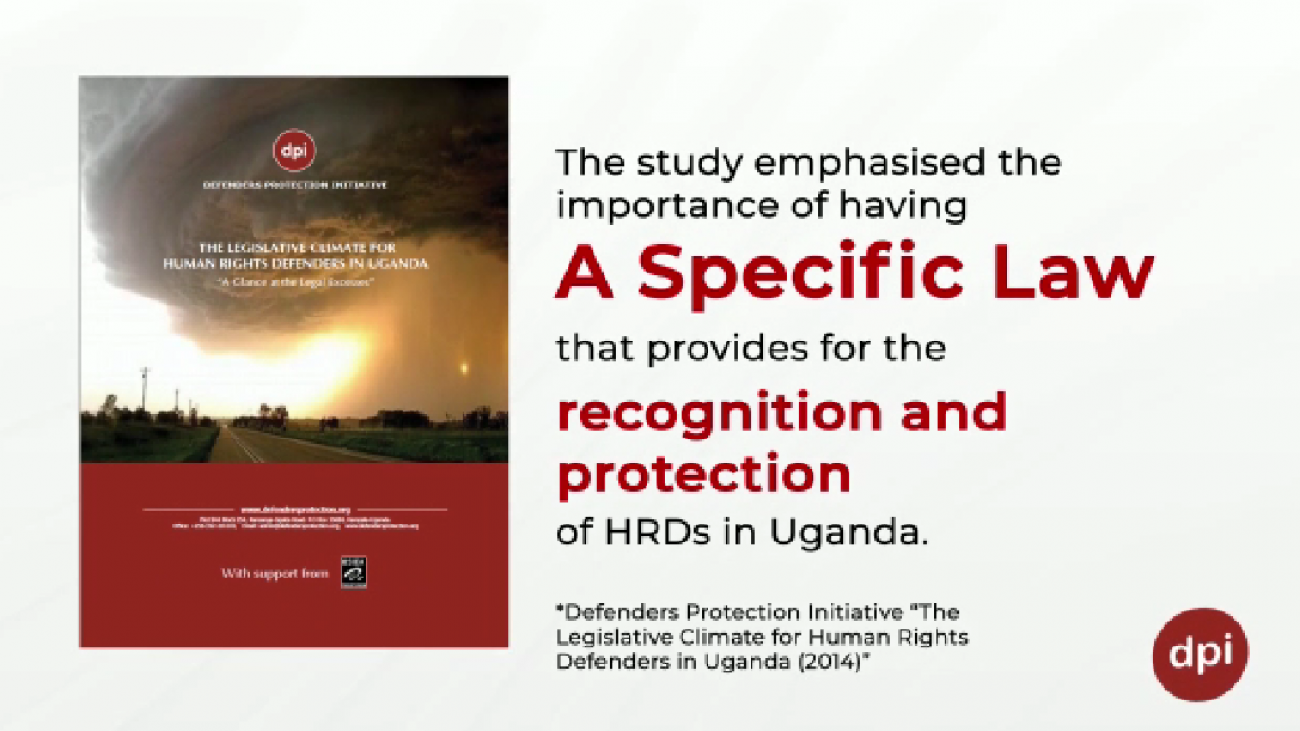
Defects with current legislation
Chapter Four of the 1995 constitution of the Republic of Uganda provides a Bill of rights which guarantees various rights and freedoms for persons in Uganda, including recognising the existence and work of Human Rights Defenders under article 50 (2) of the Constitution and empowering them to bring action against the violation of human rights and freedoms.